Porsche ownership comes with many rewards, but it also raises an important question about long-term costs. If you’re considering buying a Porsche or already own one, you’ve likely wondered about the true cost of keeping it running. Understanding why replacement components carry premium price tags helps you budget appropriately and make informed decisions about your vehicle.
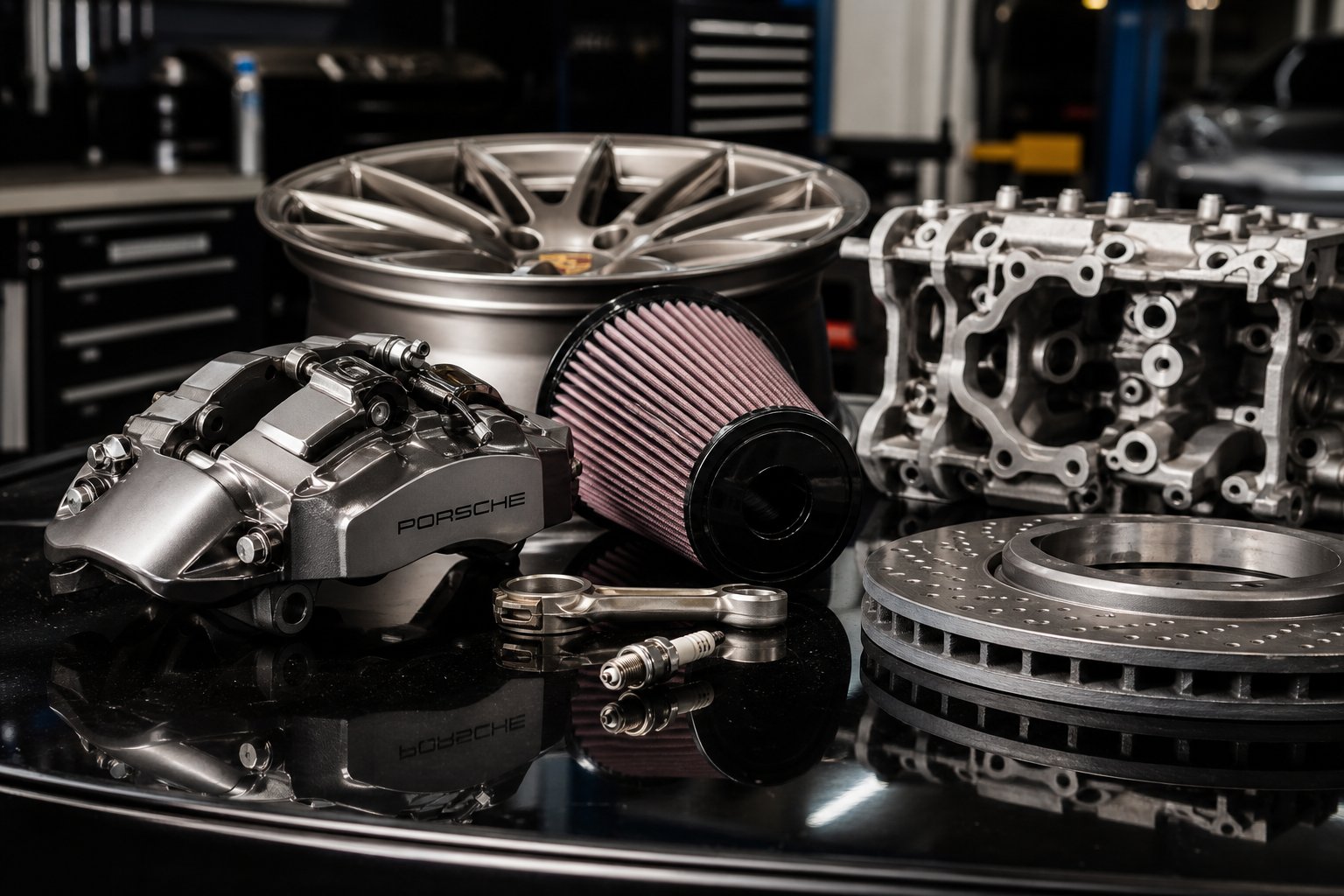
Porsche parts are expensive primarily because they’re engineered to higher performance standards, manufactured in lower volumes than mass-market auto parts, and designed specifically for precision vehicles that demand specialized components. The brand’s commitment to quality materials, tight packaging, and unique engineering requirements means that both genuine and aftermarket options typically cost more than comparable parts for mainstream vehicles.
The good news is that expensive doesn’t always mean unaffordable, and knowing where costs come from helps you find savings opportunities. This guide breaks down the specific factors that influence pricing, compares your options between genuine and aftermarket components, and shows you practical ways to manage maintenance expenses without compromising your Porsche’s performance.
Factors Driving High Porsche Parts Pricing
Porsche parts command premium prices due to specialized engineering requirements, high-grade materials, and limited production runs. These factors combine to create what enthusiasts often call the “Porsche tax”—the additional cost of maintaining a performance-focused luxury vehicle.
Exclusive Engineering and Technology
Authentic Porsche parts incorporate specialized engineering that supports the brand’s performance standards. Each component undergoes extensive development to integrate with advanced systems like computer-controlled suspensions, turbocharged powertrains, and proprietary driving modes.
The engineering complexity extends beyond basic functionality. Porsche designs parts to work within tightly integrated systems where each component affects overall vehicle performance. This means a simple replacement part must meet exact specifications that match the original design tolerances.
Genuine Porsche parts also include proprietary technology that requires specialized manufacturing processes. Parts for models like the 911 or Taycan incorporate materials and designs that aren’t available through standard automotive supply chains. The research and development costs for these components get distributed across relatively small production numbers, increasing the per-unit price.
Premium Materials and Performance Standards
Porsche uses materials specifically chosen for durability and performance rather than cost efficiency. Components feature lightweight alloys, carbon fiber elements, and heat-resistant compounds engineered to withstand high-performance driving conditions.
The quality standards for Porsche parts pricing reflect the brand’s commitment to maintaining vehicle performance over time. Each part must pass rigorous testing for heat tolerance, stress resistance, and longevity. This quality assurance process adds manufacturing costs but ensures parts won’t fail under demanding conditions.
Material selection directly impacts pricing structure. Where mainstream manufacturers might use standard steel or plastic composites, Porsche often specifies aerospace-grade materials or proprietary alloys. These premium materials cost more to source and require specialized machining processes.
Low Production Volume and Limited Availability
Porsche produces significantly fewer vehicles than mass-market manufacturers, creating limited demand for replacement parts. This low production volume means suppliers can’t achieve the same economies of scale that reduce costs for high-volume brands.
Parts availability suffers from the specialized nature of Porsche’s supply chain. Many components come from specific suppliers who produce them in limited quantities. Import duties and specialized shipping requirements add additional costs when parts must be sourced internationally.
The Porsche tax becomes particularly evident with model-specific components. Parts for older or limited-production models face even higher markups due to scarcity. You’ll find that body panels, performance components, and technology-specific parts can reach five-figure prices when availability is extremely limited.
Genuine vs. Aftermarket Parts: Cost and Value
Genuine Porsche parts typically cost 30-70% more than aftermarket alternatives, but the price difference reflects distinct manufacturing standards, material quality, and warranty protection that directly affect your vehicle’s performance and resale value.
Comparing Authentic and Aftermarket Options
Genuine Porsche parts come directly from the manufacturer or authorized suppliers who built the original components. These parts carry Porsche branding and part numbers that match your vehicle’s specifications exactly.
Aftermarket parts span multiple quality tiers. Premium aftermarket manufacturers often supply the same factories that produce OE parts, delivering identical specifications at lower prices. Mid-tier options meet basic fitment requirements but may use different materials or tolerances. Budget aftermarket parts prioritize cost savings over precision engineering.
Price comparison for common Porsche components:
| Part Type | Genuine | Premium Aftermarket | Budget Aftermarket |
|---|---|---|---|
| Brake pads | $200-400 | $120-250 | $60-100 |
| Oil filter | $15-25 | $8-15 | $5-8 |
| Control arm | $300-600 | $150-350 | $80-150 |
When you buy Porsche parts, verify the manufacturer’s country of origin and quality certifications. Premium aftermarket brands like Bilstein, Brembo, and Bosch often produce components that meet or exceed OE standards.
Quality, Durability, and Vehicle Resale Value
Authentic Porsche parts undergo rigorous testing for heat resistance, vibration tolerance, and material consistency specific to high-performance applications. The tolerances matter more on precision components like suspension bushings, engine mounts, and transmission parts where millimeter differences affect handling dynamics.
Aftermarket quality varies significantly by component category. Wear items like brake pads and filters from reputable aftermarket brands perform reliably for daily driving. Complex mechanical assemblies such as turbos, fuel injectors, and electronic modules show greater performance gaps between genuine and aftermarket options.
Your Porsche’s resale value depends partly on maintenance documentation. Documented service using genuine parts typically adds 5-10% to resale value for enthusiast buyers and specialty dealers. Classic Porsche models particularly benefit from authentic components when preserving originality matters to collectors.
Warranty and Longevity Considerations
Genuine Porsche parts include a two-year unlimited mileage warranty when installed at authorized service centers. This coverage protects both the part and any related damage caused by component failure.
Aftermarket warranties range from 90 days to lifetime guarantees, but coverage terms differ substantially. Many aftermarket warranties cover only part replacement, excluding labor costs or consequential damage. Premium aftermarket brands typically offer one-year warranties with better terms than budget alternatives.
Longevity comparisons show genuine parts lasting 15-25% longer on average for high-stress components. Suspension parts, clutches, and brake rotors demonstrate the most noticeable durability differences. You can save money on Porsche parts by choosing quality aftermarket options for wear items while using genuine parts for critical drivetrain and safety systems.
Typical Expenses for Common Porsche Parts
Porsche parts pricing varies widely depending on the component type, your vehicle’s model and year, and whether you choose genuine or aftermarket options. Understanding these cost differences helps you budget accurately for repairs and maintenance.
Price Range of Essential Components
Brake components represent one of the most frequent expenses you’ll encounter. Front brake pads typically cost between $150 and $300 for aftermarket options, while genuine Porsche pads can reach $400 or more. Brake rotors range from $200 to $600 each, depending on your model.
Oil changes require specialized high-performance synthetic oil. You can expect to pay $250 to $400 for a complete oil change at a service center. Air filters cost between $40 and $80, while cabin filters run $30 to $60.
Tire replacements present a significant expense category. Performance tires suitable for Porsche vehicles range from $200 to $500 per tire, with some high-performance models requiring $600 or more per tire. Battery replacements cost $200 to $400 for quality options that meet Porsche specifications.
Suspension components like control arms cost $300 to $800 each. Spark plugs run $15 to $40 per plug, though you’ll need multiple plugs for your engine configuration.
Model and Year Impact on Costs
Your specific Porsche model dramatically affects parts pricing. A Cayenne or Macan typically has lower parts costs than a 911 or Cayman due to shared components with other vehicle platforms. Specialized sports models like the GT3 or Turbo variants feature unique performance parts that cost substantially more than base model equivalents.
Older Porsche models sometimes have more affordable parts availability, particularly for popular models like the 996 and 997 generation 911s. However, rare or discontinued parts for vintage models can become extremely expensive due to limited supply.
Newer models often incorporate advanced technology and materials. Carbon-ceramic brakes, available on recent performance models, can cost $15,000 or more for a complete replacement. Standard steel brake systems on the same vehicle might cost $2,000 to $4,000 for all components.
Model-specific engineering also drives costs. The mid-engine layout of Boxster and Cayman models requires different labor and parts compared to rear-engine 911 variants.
OEM vs. Aftermarket Replacement Costs
Genuine Porsche OEM parts typically cost 10% to 50% more than quality aftermarket alternatives. This premium buys you factory specifications, warranty coverage, and guaranteed fitment. OEM parts usually include a two-year warranty, while aftermarket options vary by manufacturer.
Aftermarket parts offer substantial savings without always sacrificing quality. Reputable manufacturers produce components that meet or exceed OEM specifications at lower prices. Brake pads from established aftermarket brands cost 30% to 40% less than Porsche originals while delivering comparable performance.
Cost Comparison:
| Part Type | OEM Price | Aftermarket Price |
|---|---|---|
| Oil Filter | $15-25 | $8-15 |
| Air Filter | $60-80 | $40-60 |
| Brake Pads (set) | $300-400 | $150-250 |
| Headlight Assembly | $800-1,500 | $400-900 |
Some components warrant OEM investment. Engine internals, electronic modules, and safety-critical systems benefit from genuine parts. Consumables like filters, wipers, and basic maintenance items work well as aftermarket purchases.
The Role of Porsche Service and Maintenance
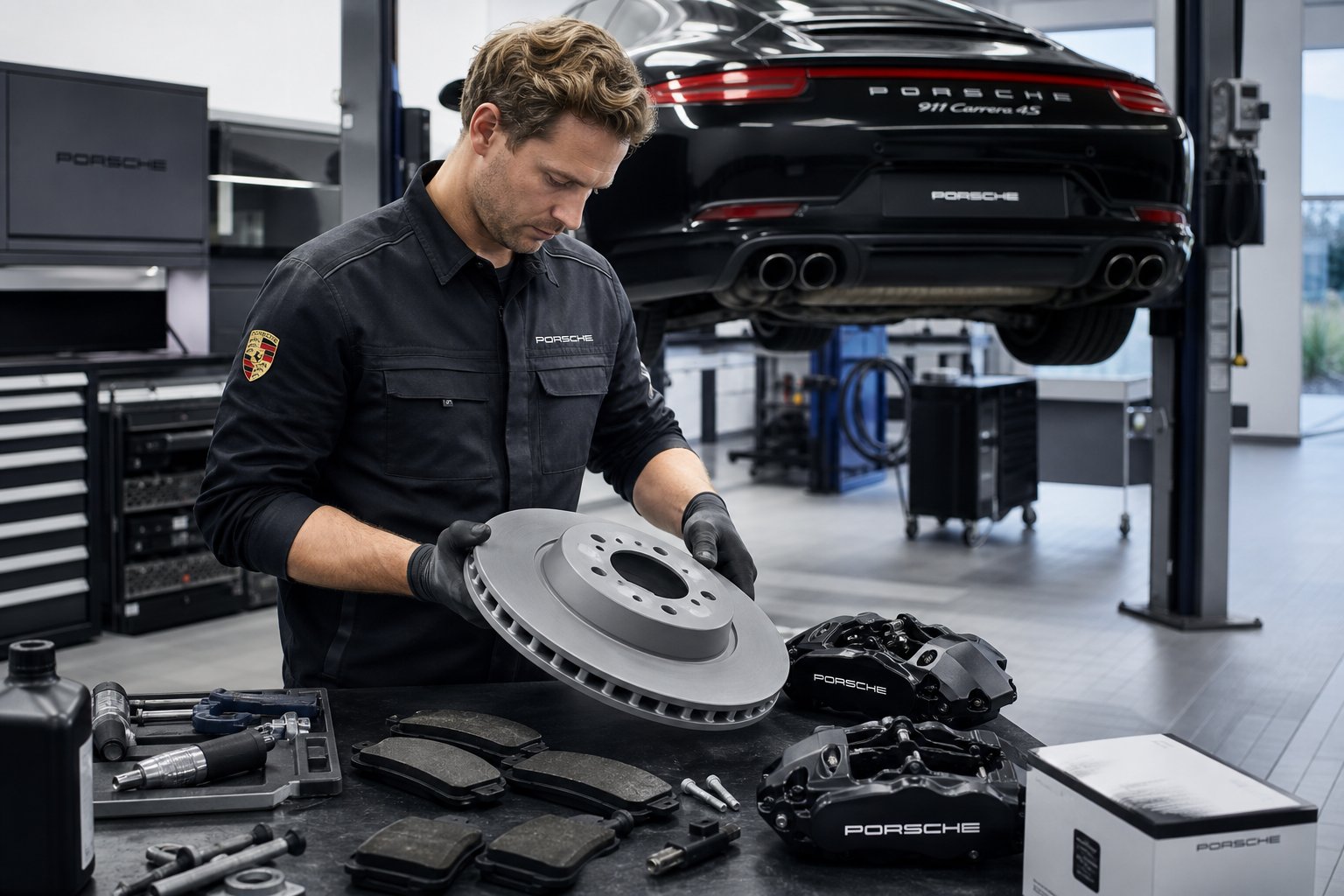
Maintaining a Porsche involves navigating specialized service requirements, understanding often-overlooked expenses, and making informed decisions about where and how you service your vehicle. These factors directly influence your long-term ownership costs beyond the initial parts prices.
Specialized Service Centers and Labor Rates
Porsche service centers employ technicians trained specifically on these complex German sports cars, which translates to higher labor rates than mainstream automotive shops. Dealer labor rates typically range from $150 to $250 per hour depending on your location and the specific service center.
Independent Porsche specialists offer an alternative that runs 20-30% below dealer pricing while using the same genuine OEM parts. These shops understand the unique engineering of Porsche models, from the rear-engine layout of 911s to the placement of components in Cayenne and Macan SUVs.
The complexity of Porsche vehicles means repairs take longer than comparable work on other brands. A routine oil change requires more time due to engine placement and drain plug accessibility, pushing the cost to around $400 even for this basic service.
Hidden Maintenance Costs
Porsche ownership includes expenses beyond scheduled maintenance that catch many owners unprepared. Brake fluid changes, required every two years, cost significantly more than on conventional cars due to Porsche’s high-performance braking systems.
Tire replacement represents another substantial ongoing cost. Performance tires designed for Porsche specifications wear faster and cost more to replace, with many models requiring staggered fitments (different sizes front and rear).
Software updates and diagnostic fees at Porsche service centers add to the total. Your vehicle’s sophisticated electronics require specialized equipment that many independent shops don’t possess, sometimes forcing you back to the dealer for specific services.
Strategies for Reducing Ownership Expenses
You can save money on Porsche parts and service through several practical approaches. Independent Porsche specialists provide substantial savings while maintaining quality standards, as long as they specialize in your vehicle’s platform and use proper parts.
Cost-Saving Options:
- Prepaid maintenance plans: Porsche Scheduled Maintenance Plan (PSMP) locks in pricing at participating centers
- Parts sourcing: Compare OEM parts prices between dealers and authorized online retailers
- Service bundling: Combine multiple services during single visits to reduce labor overlap
- DIY maintenance: Handle basic tasks like air filter replacements yourself
Leasing instead of buying shifts major maintenance responsibilities to warranty coverage during your lease term. This approach works well if you prefer predictable monthly costs over managing repair expenses yourself.
Where to Buy Porsche Parts and How to Save
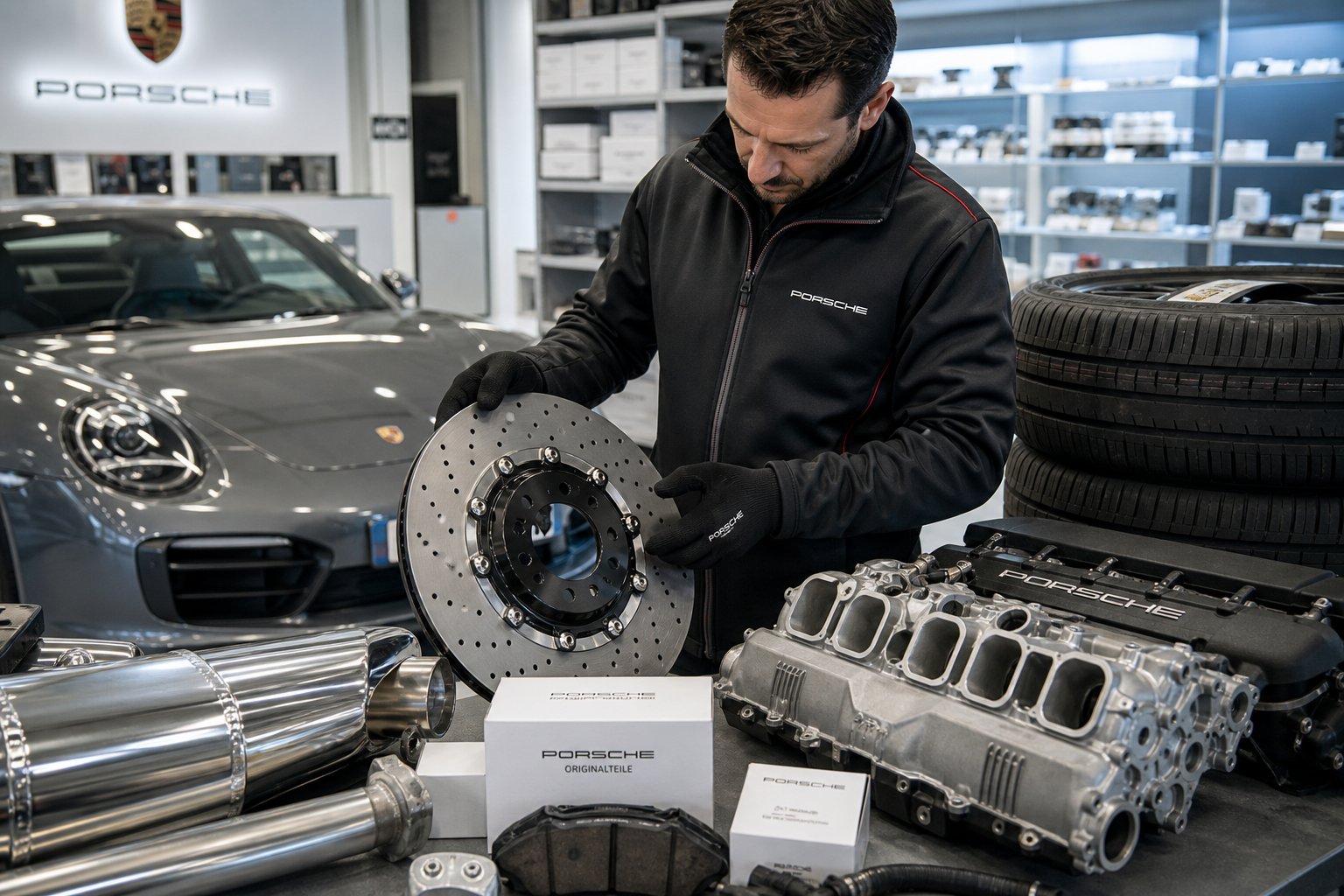
Porsche owners have multiple purchasing channels available, from factory-authorized dealers to independent suppliers and online marketplaces. Your choice of supplier directly affects both price and part authenticity, with savings ranging from 10-50% depending on where you shop and what parts you need.
Authorized Dealers vs. Independent Suppliers
Porsche dealerships offer genuine Porsche parts with guaranteed authenticity and full warranty coverage. You’ll pay premium prices, typically 20-40% more than independent suppliers, but you receive factory-certified components with complete traceability. Dealership parts departments provide VIN-specific fitment verification and immediate returns if needed.
Independent Porsche specialists often stock OEM and aftermarket alternatives at lower prices. Companies like Sunset Porsche Parts and Suncoast Parts offer dealer-quality service with competitive pricing structures. These suppliers maintain extensive catalogs covering models from the 356 through current 992 variants, Cayenne, Taycan, and Panamera lines.
Regional pricing varies significantly between dealers. Some Porsche owners report price differences of $800 or more for identical parts between dealerships in different states. Calling multiple authorized dealers for price quotes can reveal substantial savings even when buying genuine parts.
Online Marketplaces and Buying Tips
Specialized Porsche parts websites provide searchable databases with 380,000+ parts indexed by model year, VIN, or part number. These platforms sync inventory with certified dealerships nationwide, giving you access to genuine parts at competitive rates without visiting physical locations.
Compare prices across multiple suppliers before purchasing. Check part numbers against Porsche’s official catalog to verify compatibility. Common maintenance items like brake pads, filters, and fluids offer the greatest savings potential through online aftermarket suppliers.
Purchase consumable parts and wear items from reputable aftermarket manufacturers to save money on Porsche parts without compromising quality. Reserve genuine parts purchases for critical components like engine internals, electronics, and safety systems where OEM specifications matter most.
Protecting Against Counterfeit Parts
Counterfeit Porsche parts circulate through unauthorized sellers, particularly for high-demand items like wheels, body panels, and performance components. These fakes may look identical to genuine parts but use inferior materials and lack proper quality control.
Verify supplier credentials before ordering. Legitimate parts sellers display clear return policies, provide detailed part documentation, and maintain physical business addresses. Avoid marketplace sellers offering prices significantly below market rates or operating without established business histories.
Check parts packaging for Porsche authenticity markers including holographic labels, proper part numbers, and manufacturer stamps. Genuine parts arrive with documentation matching the component specifications. Request photos of actual inventory before purchasing expensive components from unfamiliar suppliers.