
Buying a Ferrari in 2026 means choosing from a lineup that ranges from entry-level supercars to million-dollar hypercars, with most new models starting around $250,000. The current Ferrari lineup includes everything from the naturally aspirated V12 12Cilindri to the hybrid 296 GTS and the brand’s first SUV, the Purosangue, with prices ranging from roughly $310,000 to over $700,000 depending on the model and configuration. Understanding how Ferrari pricing works is critical because the sticker price is only part of the story.
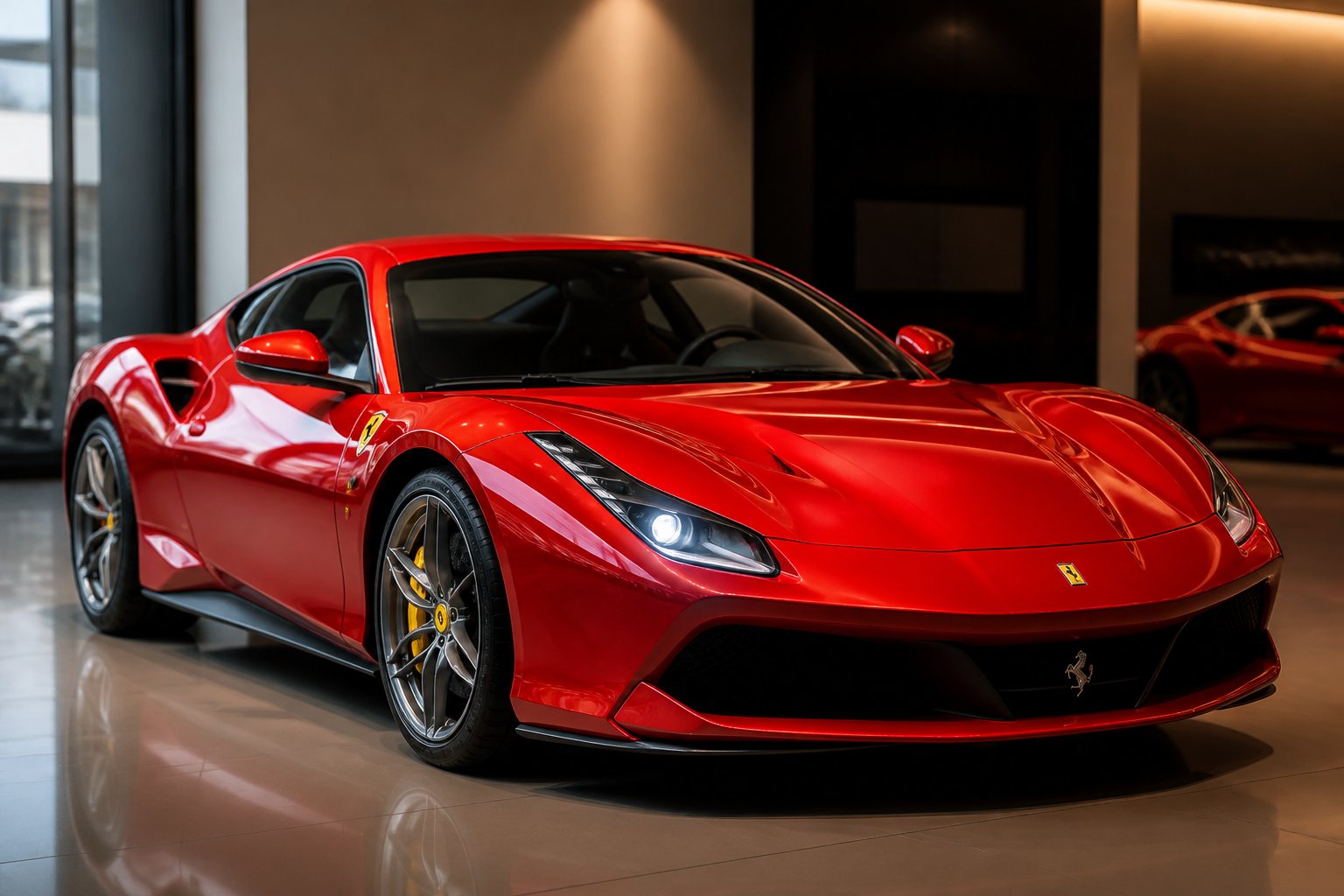
Your real cost depends on optional features, current market demand, and whether you buy new or used. New Ferraris often require a relationship with a dealership to secure an allocation, and popular models may come with dealer markups. Used models can offer better value, but you need to know what to look for to avoid costly mistakes.
This guide walks you through the complete Ferrari buying process in 2026. You’ll learn which models offer the best combination of performance and value, how to navigate financing and ownership costs, and what to expect when shopping for both new and pre-owned vehicles from the legendary Maranello brand.
Key Takeaways
- Most new Ferrari models start around $250,000, with prices climbing based on configuration and model exclusivity
- Popular Ferrari models in 2026 include the 12Cilindri, 296 GTS, and Purosangue, each serving different buyer needs
- Buying a Ferrari requires understanding allocation systems, financing options, and the difference between new and used market dynamics
Current Ferrari Lineup and New Models for 2026
Ferrari’s 2026 lineup includes V12 grand tourers, turbocharged V8 sports cars, and plug-in hybrid models, with prices starting around $250,000. The brand is introducing its first hypercar in years alongside continued production of core models from Maranello, Italy.
Overview of Core Ferrari Models
Ferrari currently offers three main powertrain types across its production lineup. The naturally aspirated V12 engines power models like the 12Cilindri, which replaced previous V12 grand tourers. The turbocharged V8 configuration appears in models such as the Roma, a refined 2+2 grand touring coupe.
The mid-engine sports cars remain central to Ferrari’s identity. The 296 GTB and 296 GTS use a plug-in hybrid V6 system that combines electric motors with traditional combustion power. These models represent Ferrari’s current approach to performance while meeting modern emissions standards.
The Purosangue stands as Ferrari’s first four-door, four-seater model. It maintains the brand’s performance focus while offering more practical daily usability than traditional two-seat supercars.
Introducing the Latest Additions and Limited Editions
The F80 debuts in 2026 as Ferrari’s new flagship hypercar. This model follows the lineage of limited-production hypercars like the LaFerrari and earlier icons such as the Enzo. The F80 marks a significant launch year for Ferrari alongside other planned releases.
Ferrari periodically releases special editions and variants of existing models. The SF90 Stradale and SF90 Spider represent the brand’s current plug-in hybrid V8 offerings with higher performance specifications than the 296 series.
Limited production runs typically feature enhanced aerodynamics, reduced weight, and increased power output. These special models often sell out before public availability, with allocations going to existing Ferrari clients first.
Highlighting Hybrid, Electric, and Flagship Ferraris
Ferrari’s hybrid models combine electric motors with traditional engines to boost performance and efficiency. The 296 GTB uses a V6 plug-in hybrid system, while the SF90 models pair electric motors with a V8 engine. These systems provide instant torque from the electric motors alongside the combustion engine’s power.
The brand plans to introduce its first fully electric vehicle in 2026. This represents a major shift for a manufacturer known for naturally aspirated engines and traditional powertrains.
Current Hybrid Models:
- 296 GTB (V6 plug-in hybrid)
- 296 GTS (V6 plug-in hybrid)
- SF90 Stradale (V8 plug-in hybrid)
- SF90 Spider (V8 plug-in hybrid)
The F80 hypercar serves as the flagship model, showcasing Ferrari’s latest technology and performance capabilities. Pricing for flagship models extends well beyond the $250,000 entry point of standard production vehicles.
Understanding Ferrari Pricing in 2026
Ferrari pricing works differently than most car brands. The sticker price is just the starting point, and what you actually pay depends on options, dealer relationships, and which model you want.
Base MSRP vs. Real Purchase Price
Entry-level models like the Roma start around $250,000 MSRP. The 296 GTB and 296 GTS sit in the $300,000 range, while the Purosangue SUV commands approximately $400,000. The 12Cilindri and flagship models like the SF90 Stradale and SF90 Spider push well beyond $500,000.
The published MSRP is a floor, not a ceiling. You’ll rarely pay just the base price. Market markups add tens of thousands of dollars, especially on high-demand models. Limited allocation means dealers can charge above sticker when supply is tight.
Your buying history with Ferrari matters. First-time buyers typically can’t walk in and purchase the most desirable models at MSRP. The real transaction price often runs 10-30% above the advertised number.
The Impact of Personalization and Options
Ferrari builds cars to order, and personalization drives up the final cost significantly. Paint-to-sample colors add $10,000-30,000. Carbon fiber packages run $20,000-50,000 depending on the model.
Interior customization gets expensive fast. Special leather, contrasting stitching, and unique trim materials can add another $30,000-60,000. Performance options like upgraded exhaust systems and track packages add $15,000-40,000.
Most buyers spend 20-40% of the base price on options. A $300,000 296 GTB commonly leaves the factory at $400,000+ with typical personalization.
How Allocation and Market Dynamics Affect Price
Ferrari controls who can buy certain models through an invitation-based system. The SF90 Spider, SF90 Stradale, and limited editions require an established relationship with the brand. You can’t just show up with cash.
Production numbers stay deliberately low. This scarcity keeps prices high and waiting lists long. Popular models have 12-24 month wait times from order to delivery.
Market demand shifts pricing power to dealers. When a new model launches or becomes popular, markups increase. Your location matters too—high-demand markets see steeper premiums than areas with less Ferrari interest.
Best Ferrari Models to Buy This Year
Ferrari’s 2026 lineup offers everything from daily-drivable grand tourers to track-focused supercars. Your choice depends on how you plan to use the car and whether you’re focused on driving enjoyment or long-term value.
Top Picks for Collectors and Enthusiasts
The SF90 Stradale and SF90 Spider stand out as Ferrari’s most technologically advanced models. These plug-in hybrid supercars deliver 986 horsepower and represent the pinnacle of Ferrari’s current engineering. The closed-roof Stradale suits track enthusiasts, while the Spider adds open-air driving.
For pure driving engagement, the 296 GTB and 296 GTS offer a sweet spot. Their twin-turbo V6 hybrid setup produces 818 horsepower while maintaining the agility that made mid-engine Ferraris famous. The 296 GTS gives you convertible versatility without sacrificing performance.
The 12Cilindri brings back Ferrari’s naturally aspirated V12 in grand tourer form. This model appeals to purists who want traditional Ferrari character with modern reliability. Its 819 horsepower V12 delivers the sound and response that made Ferrari legendary.
LaFerrari remains the ultimate collector’s Ferrari from recent years. Production ended years ago, but these hypercars continue appreciating. The Enzo follows similar patterns for collectors willing to go back further in Ferrari’s catalog.
Grand Touring vs. Supercar Choices
Grand touring Ferraris prioritize comfort and usability. The Roma offers the most refined daily driving experience with its 2+2 seating and smooth twin-turbo V8. You get 612 horsepower in a package suitable for road trips and regular use.
The Purosangue breaks new ground as Ferrari’s first SUV. Its raised driving position and four doors make it practical for families, but the 715-horsepower V12 ensures it drives like a Ferrari. Cargo space and ground clearance expand where you can take your Ferrari.
The FF represents an older grand touring approach with its shooting brake design and all-wheel drive. Used examples offer V12 power, four seats, and a hatchback that swallows luggage. This model suits buyers who want practicality without losing Ferrari’s character.
Supercars demand compromises. The SF90 and 296 models require premium fuel, frequent maintenance, and careful driving on rough roads. You sacrifice comfort for performance that few cars can match.
Comparing Recent Ferrari Generations
Recent Ferraris use turbocharged engines for better emissions and efficiency. The 296’s V6 and Roma’s V8 both use twin turbos. Earlier models like the 458 Italia relied on naturally aspirated engines that some enthusiasts prefer for throttle response.
Hybrid technology separates the newest Ferraris. The SF90 and 296 add electric motors for instant torque and electric-only driving modes. Older models lack this technology but weigh less and feel more mechanical.
Build quality improved significantly after 2015. Modern Ferraris need less frequent maintenance and suffer fewer electrical problems. Service intervals stretched from 7,500 to 12,000 miles on current models.
Classic Icons and Investment Models
LaFerrari values continue climbing past $3 million for low-mileage examples. Only 499 coupes were built, making it rare enough to appreciate long-term. The Enzo follows similar investment potential at around $2-3 million.
The F40 and F50 represent older investment-grade Ferraris. Prices stabilized above $1.5 million for clean F40s and $2.5 million for F50s. These models already completed their major appreciation but hold value well.
Limited production matters most for investment. Special editions like the 812 Competizione or SF90 XX variants will likely appreciate faster than regular production models. You need to buy new and keep miles low for maximum returns.
Regular models depreciate like normal cars. The Roma and standard 296 GTB will lose value during their first five years. These make better driving purchases than investments.
Buying Process: New and Used Ferrari Vehicles
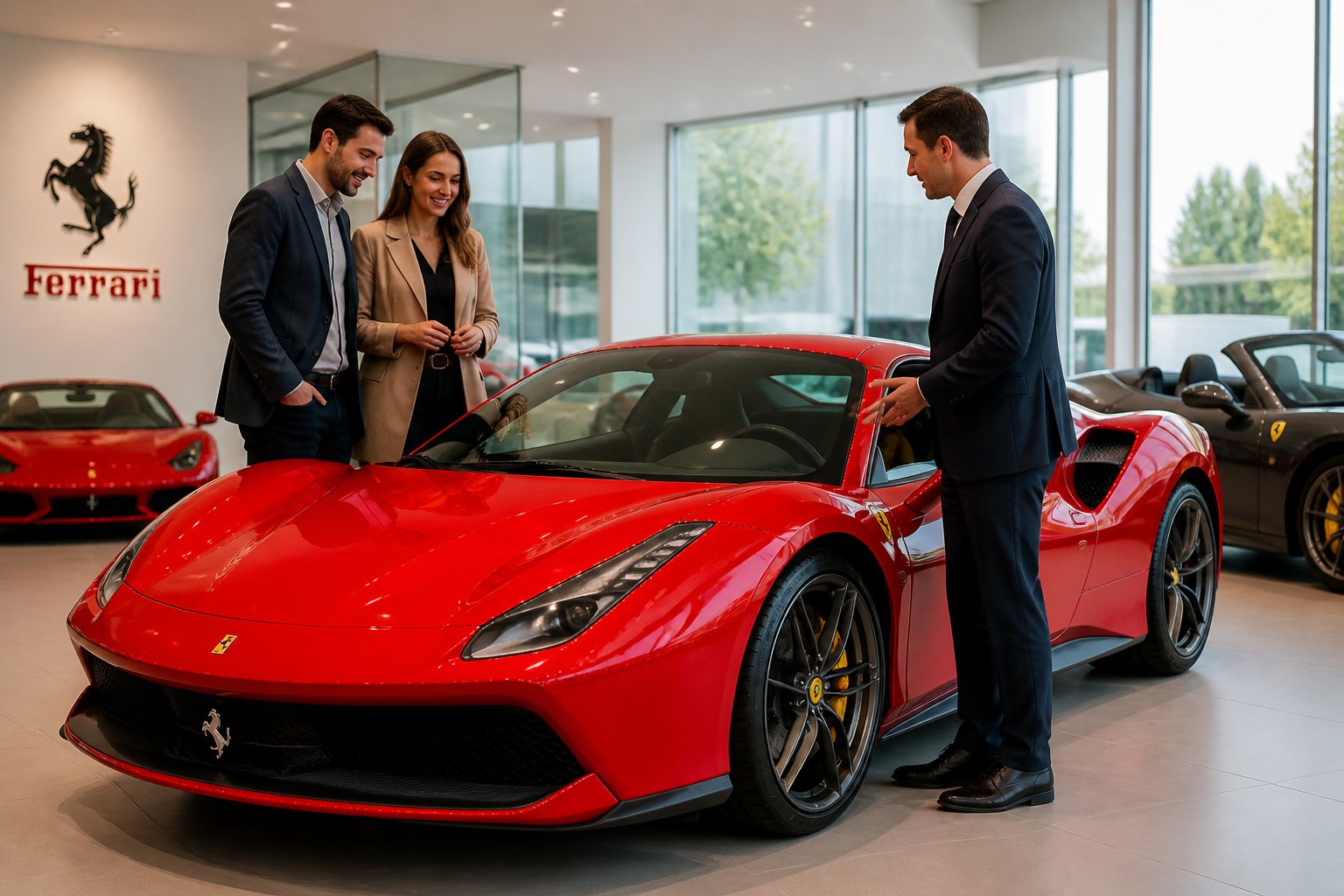
Finding the right Ferrari requires knowing where to look, preparing your finances, and carefully checking the vehicle’s background. Your approach will differ slightly between new and used purchases, but both require attention to detail and patience.
Where to Find Ferraris for Sale
You can buy a new Ferrari directly from authorized dealers like Ferrari New York or other official showrooms. These dealers offer the latest models and access to factory customization programs.
For used Ferraris, start with Ferrari Approved, the brand’s certified pre-owned program. Ferrari technicians inspect these vehicles to verify their originality and condition. You can also find used models at specialty exotic car dealers, classic car auctions, and private sellers.
Online marketplaces and auction sites list both new and used inventory. Check multiple sources to compare prices and availability. Keep in mind that popular models like the Roma, Purosangue, and FF may have limited availability depending on your region.
Key Steps Before Purchase
Get pre-approved for financing before you start shopping. Woodside Credit and other exotic car lenders specialize in Ferrari financing and can help you understand your budget. Most new Ferraris start around $250,000, so solid financing is essential.
Schedule a test drive at an authorized dealer to experience the car’s performance firsthand. Bring your insurance information, as you’ll need coverage to drive the vehicle.
Review all costs beyond the purchase price. Factor in insurance, maintenance, and registration fees. Ferrari ownership includes specialized service requirements that cost more than standard vehicles.
Evaluating Condition and Vehicle History
Always request a vehicle history report for any used Ferrari. This report shows previous accidents, service records, and ownership changes. Verify the VIN matches all documentation.
Have an independent mechanic who specializes in Ferrari vehicles inspect any used car before purchase. They can identify potential issues with the engine, transmission, or electronics. Pay special attention to service history from Maranello or authorized service centers.
Check for original parts and proper maintenance documentation. Ferraris with complete service records maintain better value and reliability. Ask about warranty coverage and whether Ferrari Approved certification applies to the specific vehicle.
Financing and Ownership Considerations
Buying a Ferrari involves more than the purchase price, with specialized financing programs, premium insurance rates, and distinct maintenance schedules that differ significantly from regular luxury cars. Understanding these ongoing costs helps you budget accurately for the complete ownership experience.
Specialized Ferrari Financing Options
Ferrari Financial Services offers manufacturer-backed loans and leases designed specifically for their vehicles. These programs provide competitive rates and flexible terms that account for the unique value retention of Ferrari models. Traditional lenders like Woodside Credit also specialize in exotic car financing with tailored programs for buyers who prefer alternatives to factory financing.
Most Ferrari financing requires a substantial down payment, typically 20-30% of the purchase price. Loan terms usually range from 24 to 84 months, though shorter terms often secure better rates. Your credit score, income verification, and existing relationship with Ferrari dealers can all influence approval and rates.
For used models, securing financing becomes more complex as standard lenders often hesitate on older exotics. Always obtain a comprehensive vehicle history report before finalizing any used Ferrari purchase to verify ownership records, service history, and accident reports.
Insurance and Maintenance Costs
Ferrari insurance costs range from $5,000 to $15,000 annually depending on your model, driving record, and location. You’ll need specialty exotic car insurance that covers agreed value rather than actual cash value to protect your investment properly.
Annual maintenance runs $3,000 to $7,000 for routine service at authorized Ferrari service centers. Major services occur every 15,000 miles or annually and include fluid changes, brake inspections, and system diagnostics. Budget an additional $2,000 to $5,000 yearly for unexpected repairs, as Ferrari parts carry premium pricing.
Tire replacements happen every 10,000 to 15,000 miles and cost $2,000 to $4,000 per set for most models.
Depreciation and Long-Term Value
New Ferraris typically depreciate 15-25% in the first three years, though limited-production models often appreciate immediately. The steepest depreciation hits volume models like the Portofino, while special editions and V12 flagship cars tend to hold value better.
Used Ferraris between 5-10 years old offer the best value for buyers, as the initial depreciation has occurred but the cars remain modern and reliable. Proper maintenance records and low mileage significantly impact resale value. Rare colors, desirable options, and manual transmissions command premium pricing in the secondary market.
Evaluating Pre-Owned Ferrari Opportunities
The pre-owned Ferrari market offers substantial savings compared to new models, but success depends on understanding certification programs, verifying vehicle history, and knowing where to find legitimate sellers. Smart buyers prioritize documentation and professional inspections over initial price alone.
Certified Pre-Owned vs. Independent Listings
Ferrari Approved represents the manufacturer’s official certification program for pre-owned vehicles. This program includes inspections performed exclusively by Ferrari-trained technicians at authorized dealerships and covers critical mechanical and cosmetic standards.
Key Ferrari Approved Benefits:
- Factory-backed warranty coverage
- Multi-point inspection by Maranello-certified technicians
- Guaranteed authentic parts and service history
- Higher resale value retention
Independent listings from private sellers or non-Ferrari dealerships typically cost 10-15% less than certified options. You sacrifice warranty protection and manufacturer backing, but you can find rare models like the FF or limited production vehicles that may not enter official channels.
Third-party dealers and auction platforms offer middle-ground options. These sellers often provide their own inspections and limited warranties, though quality varies significantly between dealerships.
Significance of Provenance and Service Records
Complete service documentation from authorized Ferrari dealers proves proper maintenance and protects your investment. A Roma or any modern Ferrari should show annual services regardless of mileage, as these vehicles require specific attention even when stored.
Essential Documentation:
- Complete vehicle history report from Carfax or AutoCheck
- Service records from Ferrari-authorized centers
- Previous ownership history and title status
- Original window sticker and delivery documents
Missing service intervals or gaps in maintenance records reduce value by 15-25%. You should verify that major services occurred at proper intervals, particularly for models with complex systems.
Smart Strategies for Used Ferrari Buyers
Schedule a pre-purchase inspection with an independent Ferrari specialist before buying any used model. This costs $500-1,000 but identifies issues that sellers may not disclose.
Financing through specialized lenders like Woodside Credit offers better terms than traditional banks for luxury vehicles. These lenders understand Ferrari values and typically approve loans that conventional lenders reject.
Compare at least three similar models across different sellers. Price variations of $20,000-40,000 for identical year and mileage combinations indicate negotiation opportunities or hidden problems.
Request paint meter readings and undercarriage photos to detect unreported accident damage. Even minor repairs affect value and may indicate more serious structural concerns.
Frequently Asked Questions
Ferrari buyers face common questions about pricing, model selection, ownership costs, and how to make a smart purchase. Understanding these factors helps you choose the right car and avoid expensive mistakes.
What factors most influence Ferrari pricing in 2026, including trim, options, mileage, and provenance?
Options add more to your final cost than the base price. When you build a new Ferrari, the accessories and upgrades often increase the sticker price by $50,000 to $100,000 or more.
For used Ferraris, mileage matters but not as much as service history. A well-maintained car with 30,000 miles can cost more than a neglected one with 10,000 miles. Complete records from authorized Ferrari service centers increase value significantly.
Provenance affects prices on limited editions and collectible models. Cars with famous previous owners, special order colors, or racing history command premium prices. Model year and trim level also play a role, with newer generations and higher-performance variants costing more.
Allocation and demand create market variations. Some new Ferrari models sell above MSRP when demand exceeds supply, while others stay closer to list price.
Which Ferrari models are the best buys in 2026 for performance, reliability, and long-term value?
The Ferrari 360 Modena offers the best entry point for first-time buyers. Clean examples start around $70,000 and provide an authentic mid-engine V8 experience. Parts remain widely available and maintenance costs stay reasonable compared to newer models.
The F430 delivers more modern performance with better reliability than earlier V8 models. You get updated technology and improved driving dynamics while keeping maintenance accessible. These cars hold their value well and offer strong performance for the price.
For daily driving, the Ferrari California and Portofino combine usability with Ferrari performance. The hardtop convertible design works in different weather conditions. These models cost less to maintain than flagship cars while still delivering a true Ferrari experience.
Investment-minded buyers should consider limited production models like the 458 Speciale. These special editions typically appreciate over time when kept in excellent condition with low miles.
How do the total ownership costs compare between buying a new Ferrari and a used Ferrari?
New Ferraris lose 20% to 30% of their value in the first three years. You pay full MSRP plus options, face potential dealer markups on high-demand models, and experience steep initial depreciation. However, you get full factory warranty coverage and no previous owner issues.
Used Ferraris cost less upfront but require careful evaluation of maintenance needs. You avoid the steepest depreciation but take on responsibility for major services. A $30,000 engine-out service might come due soon after purchase on some models.
Insurance costs more on new Ferraris due to higher replacement values. You also need gap insurance if financing. Used Ferrari insurance runs lower but still exceeds typical sports car rates.
Maintenance schedules remain the same regardless of age. Annual services cost $2,000 to $5,000, while major services range from $8,000 to $30,000. Newer models often have longer service intervals that reduce yearly costs.
What should buyers check during a pre-purchase inspection and service history review to avoid costly surprises?
Complete service records from authorized Ferrari dealers prove proper maintenance. Look for documentation of every annual service and major maintenance interval. Missing records should raise red flags about the car’s history.
Engine-out services represent the biggest expense. Check when the last major service occurred and when the next one is due. This service costs $15,000 to $30,000 depending on the model.
Hire a Ferrari specialist to perform a pre-purchase inspection. They know common problem areas for each model and can spot expensive issues. Budget $500 to $1,000 for a thorough inspection.
Check for accident damage and paint work quality. Even repaired collision damage reduces value and may indicate hidden structural problems. A paint meter helps detect respray work.
Test all electronic systems including the F1 transmission. Clutch wear and hydraulic actuator condition matter on F1-equipped cars. These repairs cost $5,000 to $15,000.
What financing, leasing, and insurance options are typically available for Ferrari purchases, and how do they differ?
Specialized exotic car lenders offer better terms than traditional banks. They understand Ferrari values and provide loan-to-value ratios up to 80% on well-documented cars. Interest rates run 2% to 4% higher than conventional auto loans.
Leasing works well for new Ferraris if you want to change models every few years. Monthly payments run lower than loan payments, but mileage restrictions typically limit you to 2,500 to 5,000 miles per year. You avoid depreciation risk but build no equity.
Insurance requires agreed-value coverage through specialty carriers. Standard auto insurance doesn’t properly cover exotic cars. Annual premiums range from $3,000 to $10,000 depending on your age, driving record, and chosen model.
Some dealers offer in-house financing on new models. These programs may include service packages or extended warranties. Compare rates carefully as they sometimes exceed outside lenders.
Down payments of 20% to 30% secure the best financing terms. Larger down payments reduce your monthly costs and show lenders you’re financially stable.
Where can buyers find the most reliable listings and negotiate fair deals while avoiding scams and misrepresented cars?
Authorized Ferrari dealers provide certified pre-owned programs with warranties. These cars undergo thorough inspections and come with factory backing. You pay more but get peace of mind and protection against major issues.
Reputable exotic car dealers specialize in high-end sports cars and have reputations to protect. Check reviews and ask for references from previous buyers. Established dealers stand behind their sales.
Private party sales offer lower prices but carry more risk. Always get a pre-purchase inspection and verify ownership documents. Meet at safe locations and never wire money before seeing the car in person.
Online marketplaces like duPont Registry and Bring a Trailer show market pricing. Review completed auction results to understand what similar cars actually sell for. This data helps you negotiate effectively.
Avoid deals that seem too good to be true. Scammers target Ferrari buyers with below-market prices. Request detailed photos, vehicle history reports, and documentation before making offers. Never send deposits to sellers you haven’t fully vetted.