Selling used car parts locally can turn unwanted components into cash while helping other vehicle owners find affordable replacements.
The best platforms for selling car parts locally include Facebook Marketplace, Craigslist, Part Swap, and local scrap yards, each offering different advantages depending on your specific parts and selling goals.Used Car Parts
These options allow you to connect with buyers in your area without dealing with complex shipping arrangements.
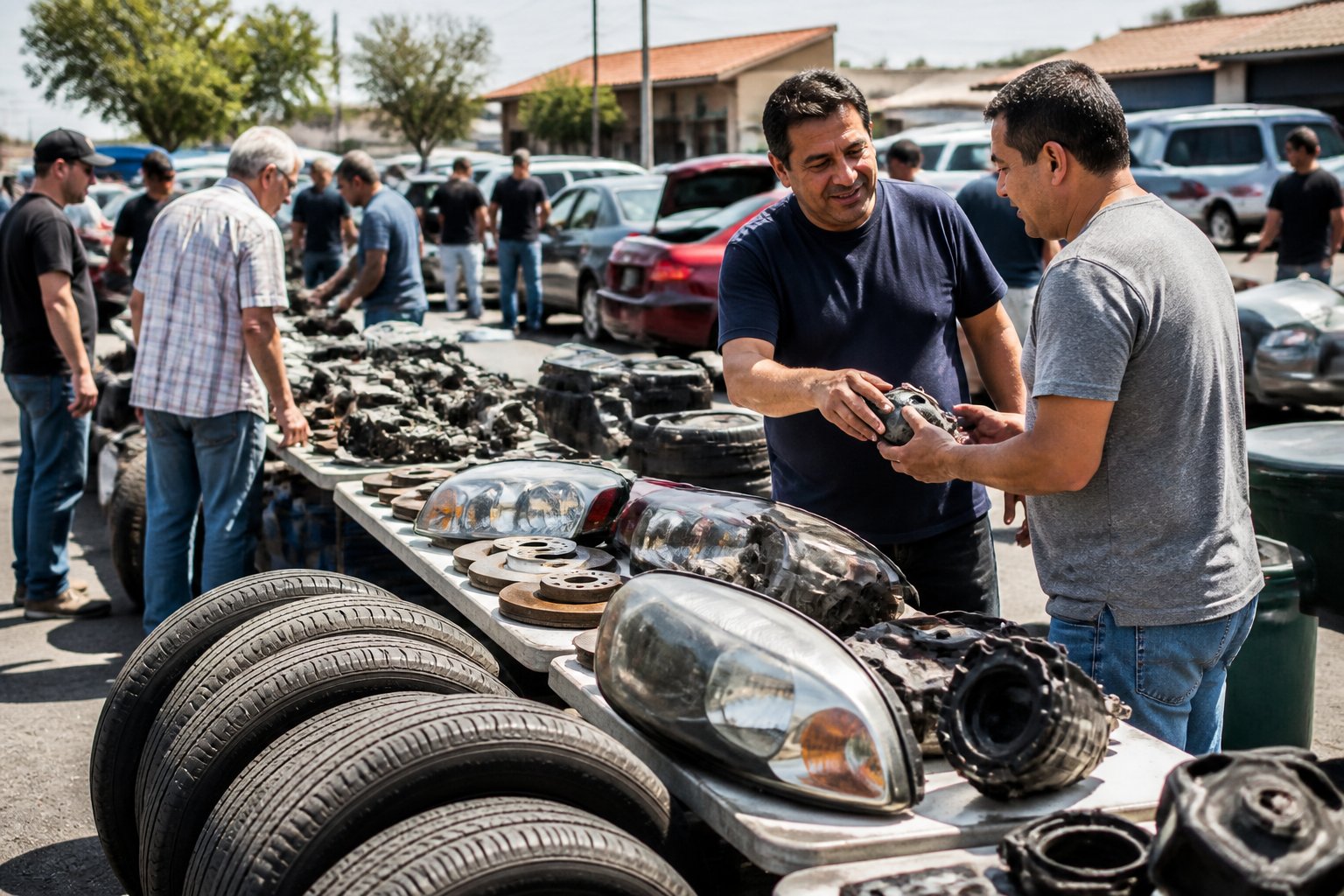
Choosing the right platform requires balancing factors like fees, audience reach, and ease of use.
Some platforms work better for individual components while others suit bulk sales or entire vehicle dismantling projects.
Throughout this guide, we’ll walk you through the top local selling options.
We’ll explain how to price and prepare your parts effectively and cover the legal obligations you need to meet.
We’ll also address common pitfalls that can cost you money or waste your time when selling automotive components in your local market.
Top Local Platforms for Selling Car Parts
Several platforms allow us to sell used car parts directly to buyers in our area, each with different fee structures and audience types.
Local selling eliminates shipping costs and lets us connect with buyers who can inspect parts before purchase.
Overview of Marketplace Options
We have three main categories of platforms for selling vehicle parts locally: general marketplaces, classified ad sites, and specialist automotive platforms.
General marketplaces like Facebook Marketplace and Craigslist attract broad audiences actively searching for deals in their area.
These platforms typically charge no listing fees, making them accessible for selling individual components.
Classified sites offer dedicated automotive sections where buyers specifically look for car parts.
Specialist platforms connect us with enthusiasts and mechanics who understand the value of quality used components.
Each option serves different needs based on the parts we’re selling and how quickly we need to complete the sale.
eBay and Classifieds
eBay Classifieds allows us to list parts for local pickup, avoiding shipping complications for heavy items like engines or transmissions.
We can set fixed prices or accept offers, giving us flexibility in negotiations.
The platform attracts serious buyers who often search for specific make and model components.
Craigslist remains popular for selling used car parts because it’s free and reaches local buyers immediately.
We control the entire transaction, from pricing to meetup locations.
The lack of seller fees means we keep the full sale price, though we need to handle payment and pickup arrangements ourselves.
Both platforms work well for common maintenance parts like alternators, starters, and body panels.
We should include detailed descriptions, measurements, and part numbers to attract qualified buyers.
Clear photos showing any wear or damage help set accurate expectations.
Gumtree and Shpock
Gumtree dominates the UK market for local classified ads, including automotive parts.
We can list items for free and reach buyers searching specifically in our postcode area.
The platform’s automotive category attracts both DIY mechanics and professional repairers looking for affordable alternatives to new parts.
Shpock focuses on mobile-first buying and selling with location-based search features.
We can upload photos directly from our phones and communicate with buyers through the app.
The platform charges no listing fees for most items, making it cost-effective for selling multiple parts from the same vehicle.
Both services let us bump listings or promote them for increased visibility.
We should respond quickly to inquiries since local buyers often contact multiple sellers simultaneously.
Specialist Car Breakers and Used Parts Websites
Car-Part.com and similar specialist platforms connect us directly with buyers searching for specific components by year, make, and model.
These sites cater to scrap yards and individual sellers who have quality used parts with verifiable compatibility.
Buyers on these platforms understand automotive terminology and often need exact replacements.
Part Swap and regional breaker networks allow us to list parts for free while reaching mechanics and body shops.
We can specify whether we’re selling individual components or an entire vehicle for parts.
These platforms typically attract more knowledgeable buyers who ask detailed questions about mileage, condition, and fitment.
Specialist sites work best when we have multiple parts from the same vehicle or rare components that general marketplaces might overlook.
We should provide VIN numbers, production dates, and compatibility information to help buyers confirm fitment before purchase.
How to Maximise Value When Selling Locally
Getting the best return from used car parts requires careful assessment, strategic pricing, and proper presentation.
These three elements work together to attract serious buyers and justify your asking prices.
Assessing Salvageable Parts
We start by identifying which components hold genuine resale value.
Engine parts, transmissions, and electronics from popular make and model vehicles typically command higher prices.
Performance parts, alloy wheels, and body panels in good condition also sell well locally.
Check each part’s condition thoroughly before listing.
Document any wear, damage, or missing components.
Parts with service history documentation fetch better prices because buyers can verify maintenance records.
Test electrical components to confirm they work.
Remove parts carefully to avoid damage during extraction.
Clean items like alternators, starters, and sensors often appear more valuable to buyers.
Research parts compatibility across different model years.
Some components fit multiple vehicles, which expands your potential buyer pool.
Note specific fitment details including part numbers and compatible chassis codes.
Pricing Strategies
We research current market rates by checking local listings for identical parts.
Price 10-15% below retail for used parts in excellent condition.
Factor in the part’s age, mileage, and whether you have an MOT certificate or service records to prove its history.
Set competitive prices for your local area rather than national averages.
Urban markets often support higher prices than rural locations.
Consider the make and model popularity in your region.
Bundle related parts together at a slight discount to encourage larger purchases.
Offer small discounts for buyers collecting multiple items.
Leave modest negotiation room in your initial pricing.
Price rare or discontinued parts higher since buyers have limited alternatives.
Common parts from high-production vehicles need aggressive pricing due to abundant supply.
Improving Car and Parts Presentation
We photograph parts from multiple angles in good natural lighting.
Include close-ups of part numbers, connectors, and any wear areas.
Clean parts before photographing to showcase their actual condition.
Provide detailed descriptions including the exact make and model, year range, and parts compatibility information.
List any known issues honestly to build buyer trust.
Include original part numbers and fitment details.
Store parts properly to prevent deterioration while listed.
Keep electrical components dry and metal parts free from additional rust.
Organize inventory so you can quickly retrieve items when buyers arrange collection.
Create clear listings with specifications like dimensions for body panels or technical specs for mechanical parts.
Respond promptly to enquiries with specific answers about fitment and condition.
Legal Requirements and Environmental Responsibilities
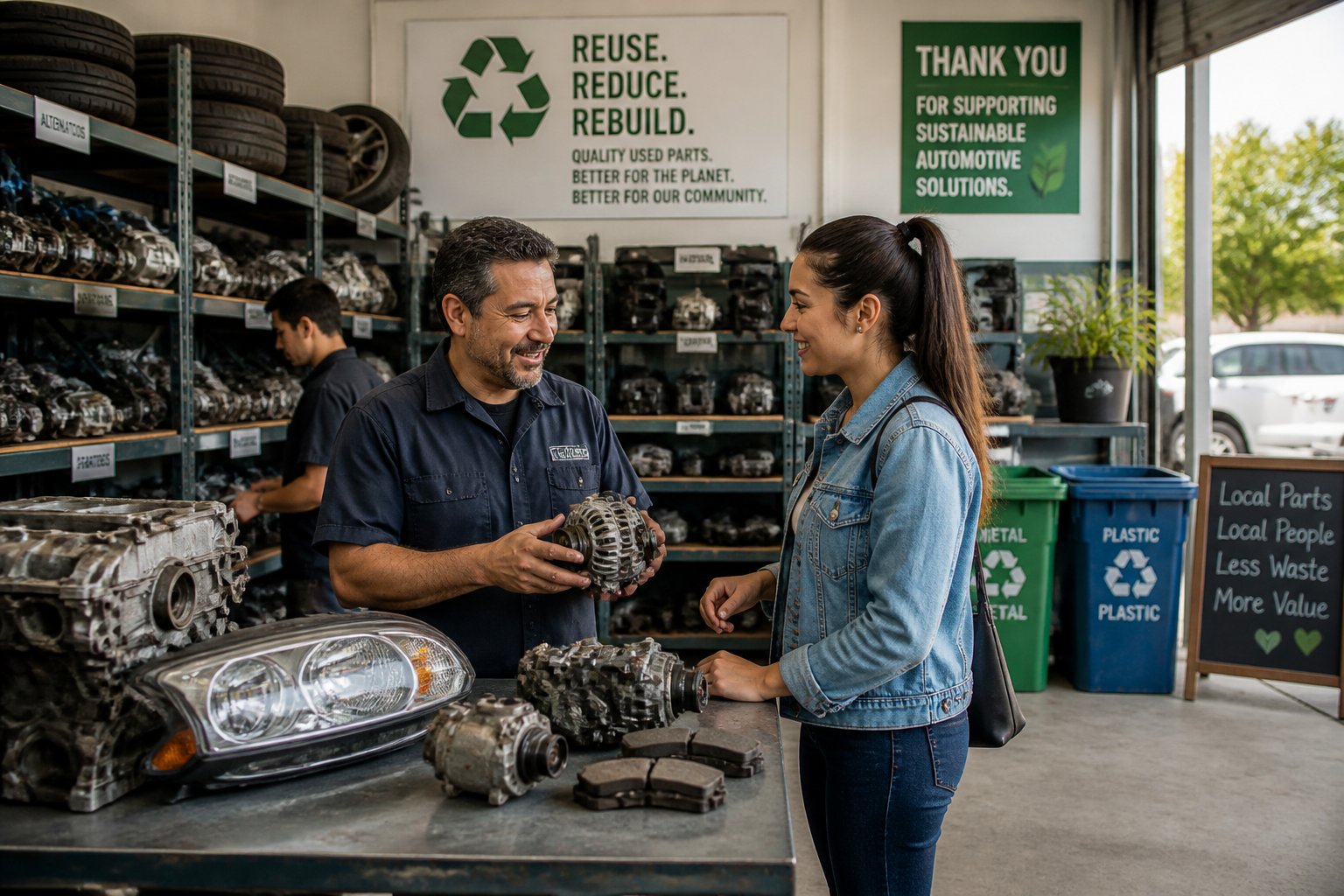
Selling used car parts requires compliance with environmental regulations and proper documentation to operate legally.
We need to understand permit requirements, ownership verification, and vehicle category rules before listing parts for sale.
Documentation and Proof of Ownership
We must retain proof of ownership for all vehicles we source parts from, including the V5C registration document and purchase receipts.
This documentation protects us from accusations of handling stolen goods and demonstrates legitimate acquisition.
The service history and MOT certificate provide additional verification and help buyers trust the parts’ quality.
We should keep these records for at least two years after selling parts, as authorities may request them during compliance checks.
When we acquire vehicles through salvage auctions or insurance companies, we need complete transfer documentation.
Without proper paperwork, we risk legal penalties and damage to our reputation as sellers.
Handling Write-Offs and Vehicle Categories
A category A write-off must go directly to an authorised treatment facility and cannot be broken for parts under any circumstances.
These vehicles pose safety risks and selling their components is illegal.
Category B write-offs allow us to salvage parts, but the vehicle’s body shell must be crushed at an authorised treatment facility.
We can sell mechanical components, electrical parts, and interior trim from these vehicles with proper documentation.
We need written confirmation from insurance companies or salvage dealers specifying the vehicle’s category.
This protects us legally and informs buyers about the parts’ origin.
Licences and Permits
We must display our environmental permit information or our supplier’s permit details when listing second-hand car parts.
This became a mandatory requirement for all sellers of used vehicle parts.
An authorised treatment facility licence ensures we handle hazardous materials like oils, fluids, and batteries according to environmental standards.
Operating without proper permits results in fines and potential business closure.
We should verify that online platforms we use comply with marketplace regulations for used parts.
Some platforms require permit verification before allowing us to list certain components.
Working With Scrap Yards and Car Breakers
Scrap yards and car breakers offer a straightforward way to offload parts in bulk or sell vehicles for dismantling.
They provide established valuation systems and regulatory compliance through authorised treatment facilities.
How Breakers Source and Value Parts
Car breakers assess vehicles based on the demand for specific components and current scrap metal prices.
They typically evaluate factors like vehicle make, model, year, and condition to determine which parts are worth salvaging.
The valuation process considers high-demand components such as engines, transmissions, and catalytic converters separately from general scrap metal weight.
Breakers often check their inventory systems and customer requests to identify parts they need most urgently.
Most breakers pay immediately upon vehicle collection or part delivery.
They handle all documentation and arrange transportation, which eliminates the hassle of individual part sales.
The trade-off is accepting lower prices than selling parts individually to private buyers.
Benefits of Selling to Scrap Yards
We find that scrap yards provide the fastest way to convert unwanted vehicles or parts into cash.
They accept vehicles in any condition, including non-runners and accident-damaged cars that would be difficult to part out ourselves.
The main advantage is convenience.
Scrap yards handle collection, paperwork, and disposal responsibilities without requiring us to clean, photograph, or list parts online.
We avoid storage costs and the time investment of managing multiple buyer transactions.
Scrap yards also accept bulk quantities of smaller parts that wouldn’t justify individual listings.
Items like trim pieces, brackets, and hardware that have minimal resale value still contribute to the overall scrap weight payment.
The Role of Authorised Treatment Facilities
Authorised treatment facilities (ATFs) are licensed scrap yards that meet environmental and safety regulations for vehicle disposal.
They properly handle hazardous materials like oils, coolants, and airbags during the dismantling process.
Selling to an ATF ensures legal compliance and protects us from potential liability.
These facilities issue certificates of destruction, which officially deregister vehicles and prevent future legal complications.
We receive documentation proving proper disposal of our vehicle.
ATFs must depollute vehicles before crushing or dismantling them.
They remove and store salvageable parts in organized inventories, often making these components available through online catalogues.
Common Challenges and Mistakes to Avoid
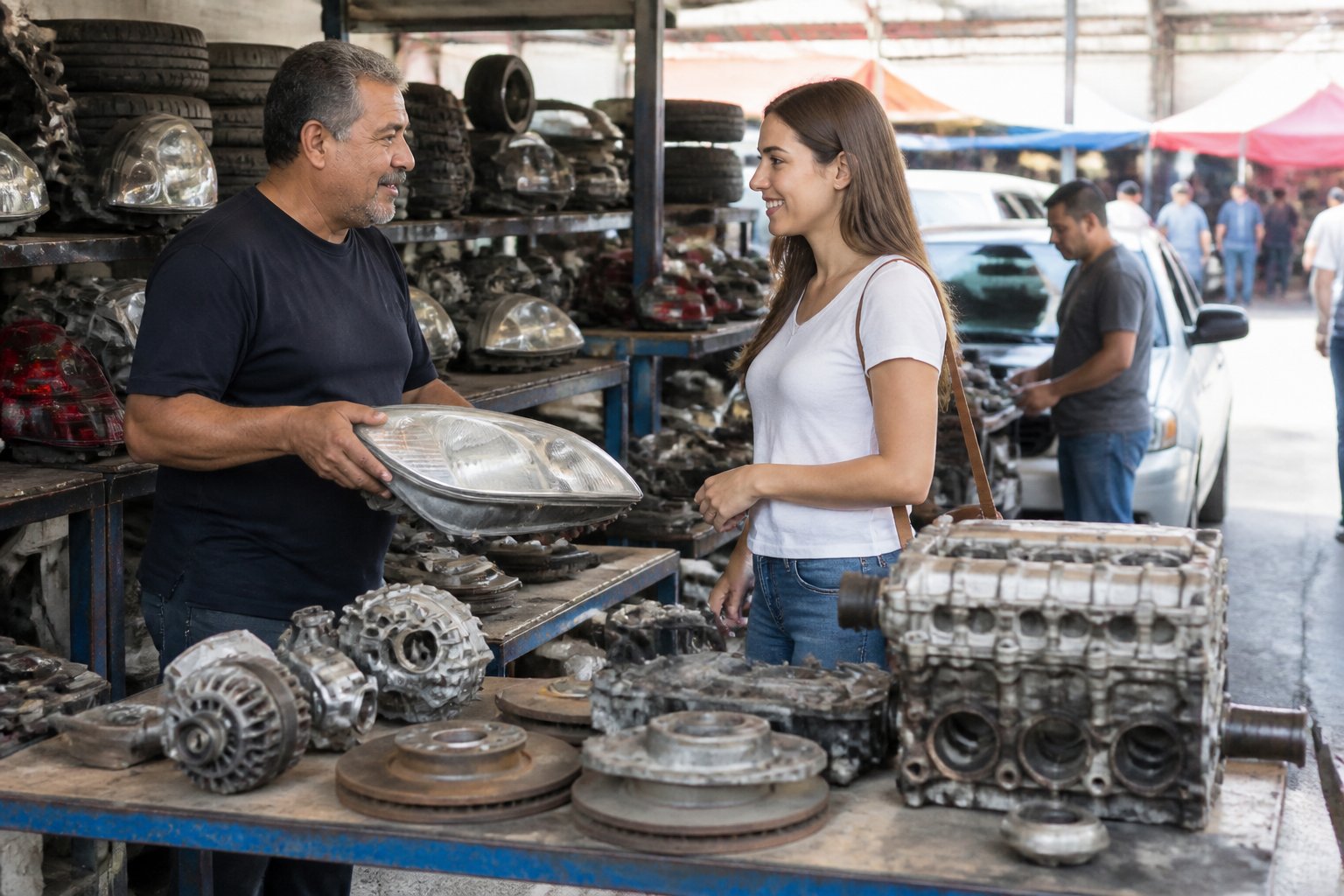
Sellers often lose money and waste time by overlooking critical details like proper documentation, hidden platform costs, and compatibility verification before listing their parts.
Incomplete Documentation
Missing or inadequate documentation significantly reduces buyer confidence and sale prices.
We need to provide the service history for any mechanical component, including maintenance records, installation dates, and previous repair work.
This documentation proves the part’s condition and usage pattern.
Original receipts, manufacturer labels, and part numbers are essential evidence.
Without these details, buyers cannot verify authenticity or assess whether the component was properly maintained.
We should photograph any identifying markings, stamps, or serial numbers directly on the part itself.
For electrical components and ECU units, we must include coding information and compatibility notes from the original vehicle.
Warranty information, even if expired, demonstrates the part’s age and original quality standards.
Complete documentation typically increases selling prices by 15-30% compared to undocumented parts.
Underestimating Listing Costs
Platform fees accumulate quickly and erode profit margins if we don’t calculate them beforehand.
Many marketplaces charge listing fees ranging from £0.30 to £2.00 per item, plus commission rates between 8-15% of the final sale price.
Payment processing adds another 2-3% to these costs.
We must factor in photography equipment, packaging materials, and shipping supplies when pricing parts.
Local selling platforms may appear free but often require premium memberships for visibility or featured listings.
Some specialized automotive marketplaces charge monthly subscription fees of £15-50 regardless of sales volume.
Calculate the break-even point before listing any part.
A £50 component with 12% commission, £1 listing fee, and £8 shipping materials nets only £35.50 after platform costs.
Ignoring Parts Compatibility
Listing parts without verified parts compatibility information leads to returns, disputes, and negative feedback. We must confirm fitment across vehicle makes, models, production years, and engine variants before advertising.
A brake caliper for a 2015 model may not fit the 2016 version despite identical model names. Check manufacturer part numbers against official databases and cross-reference with VIN-specific fitment guides.
Electronic components require additional verification for software versions and regional specifications. We should explicitly state which vehicles the part fits and which it does not.
Include engine codes, transmission types, and trim levels in the listing. Parts marked as “universal” still have limitations that require clear documentation.
Preparing Vehicle Parts for Sale
Proper preparation of used car parts significantly impacts selling speed and final price. Clean components with accurate fitment information attract serious buyers and reduce return requests.
Cleaning and Testing Components
We recommend thoroughly cleaning each part before photographing or listing it for sale. Remove grease, dirt, and grime using appropriate degreasers and cleaning solutions specific to the material.
Plastic, metal, or rubber require different cleaning approaches. Testing components before sale establishes trust with buyers.
We check electrical parts with multimeters to verify functionality. Mechanical components should be inspected for wear, cracks, or damage that might affect performance.
Document the testing process with photos or brief notes. This evidence supports our claims about condition and reduces disputes later.
For parts we cannot test without installation, we clearly state this limitation in the listing. Parts that appear well-maintained command higher prices.
A clean alternator or starter motor photographs better and signals to buyers that we’ve handled the component with care during removal and storage.
Labelling for Fitment and Compatibility
We identify parts compatibility by recording the donor vehicle’s year, make, model, and engine type. This information determines which vehicles can use the part and prevents costly mismatches.
OEM part numbers provide the most reliable fitment data. We locate these numbers stamped or labeled on the component itself and include them in our listings.
Cross-referencing part numbers with manufacturer databases confirms compatibility across multiple vehicle models.
Essential Information to Label:
- Year, make, and model of source vehicle
- OEM or manufacturer part number
- Engine size and type (if relevant)
- Transmission type (for drivetrain parts)
- Any specific trim level requirements
We note whether parts fit only specific configurations. A door panel from a four-door sedan won’t fit a two-door coupe, even from the same model year.
Recording VIN details helps buyers verify exact vehicle parts compatibility before purchase.
Frequently Asked Questions
Selling used car parts locally involves understanding payment options, finding reliable buyers, and knowing which venues accept individual components. These questions address the most common concerns about local sales channels and quick turnaround strategies.
Where can I sell car parts for cash nearby?
We can sell car parts for cash at local junkyards, salvage yards, and auto recycling centers that typically pay on the spot. Many of these facilities accept walk-ins and evaluate parts immediately, offering cash payments the same day.
Independent mechanics and repair shops sometimes purchase used parts directly from sellers, especially for hard-to-find or expensive components. Auto parts swap meets and car shows provide opportunities to connect with buyers who prefer cash transactions.
Facebook Marketplace and Craigslist facilitate local cash sales by connecting us with nearby buyers. Meeting in safe public locations ensures secure transactions when accepting cash payments.
Which online marketplaces are most effective for listing used auto parts in my local area?
Facebook Marketplace stands out as the most effective platform for local auto parts sales because it allows geographic filtering and shows our listings to nearby buyers first. The platform’s integration with Facebook profiles adds a layer of accountability that many buyers appreciate.
OfferUp and Letgo prioritize local transactions and include built-in messaging systems for coordinating pickup times. These apps use location-based algorithms to display our listings prominently to users within our immediate area.
Craigslist remains highly effective for local auto parts sales despite its dated interface. The platform charges no seller fees and attracts buyers specifically searching for local pickup options.
What local businesses commonly buy used car parts from individuals?
Auto salvage yards and junkyards regularly purchase used parts from individual sellers, particularly complete engines, transmissions, and body panels. These businesses typically evaluate parts based on condition, demand, and their current inventory needs.
Independent auto repair shops buy quality used parts to offer customers more affordable repair options. We can build relationships with these shops by providing reliable components at competitive prices.
Auto body shops purchase used body panels, bumpers, and trim pieces when they need exact color matches or discontinued parts. Some specialty shops focusing on specific vehicle makes actively seek used parts from individual sellers.
How can I sell used car parts quickly without shipping them?
Pricing parts competitively below market value attracts immediate local interest and speeds up sales. We should research comparable listings in our area and set prices that motivate buyers to act quickly.
Listing on multiple local platforms simultaneously maximizes exposure to potential buyers. Facebook Marketplace, Craigslist, and OfferUp each reach different audiences, increasing our chances of finding buyers fast.
Offering flexible pickup times and clear location details removes barriers for interested buyers. We can specify that we only accept local pickup in our listings to filter out buyers expecting shipping options.
Do junkyards or salvage yards buy individual car parts directly from sellers?
Most junkyards and salvage yards purchase individual parts from sellers, though they prefer high-demand components like engines, transmissions, and catalytic converters. These facilities evaluate each part’s resale potential before making an offer.
Pricing from junkyards typically runs 20-40% of the part’s retail value since they need profit margins for resale. We should call ahead to confirm what types of parts they currently need and whether they’re accepting drop-offs.
Some salvage yards specialize in specific vehicle makes or eras, making them more likely to purchase niche parts. We get better offers when our parts match their specialty inventory.
Do major auto parts stores buy used car parts from customers?
Major chain auto parts stores like AutoZone, O’Reilly, and Advance Auto Parts do not purchase used parts from individual customers. These retailers only sell new parts and accept core returns for specific rebuildable components like alternators and starters.
Some stores offer core exchange programs where we return old parts when purchasing replacements. This differs from outright purchases.
The core charge refund typically ranges from $10 to $100 depending on the component type.
We need to look toward independent parts stores or specialty shops for opportunities to sell used components directly. These smaller operations occasionally purchase quality used parts to resell, though policies vary by location and ownership.