
Owners of luxury and exotic vehicles often struggle to find custom parts that meet their specific needs. Standard automotive shops rarely carry specialized components for exclusive brands, leaving many drivers searching for alternatives.Parts for Exclusive Vehicle
Yes, numerous online services now offer custom fabrication and modification parts specifically designed for high-end and exclusive vehicle brands, with options ranging from body kits to performance upgrades.
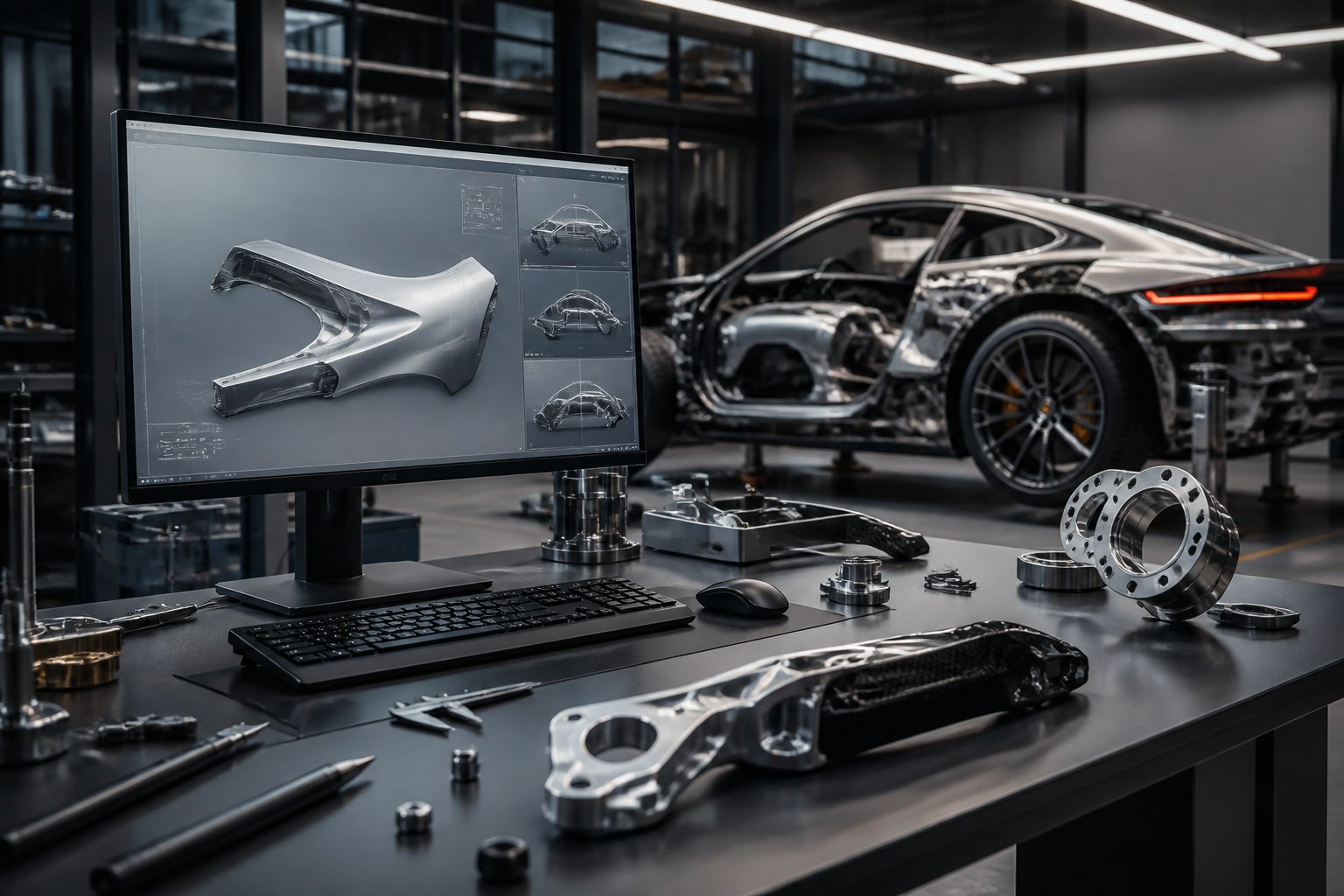
We’ve researched the growing market of custom design parts and body kits to help you understand what’s available. These services go beyond basic modifications, offering everything from carbon fiber components to fully customized body work.
Many providers work with both individual owners and businesses to create parts tailored to exact specifications. Finding the right provider requires understanding what each service offers and how they ensure quality.
We’ll walk you through the major online platforms, what makes custom fabrication for premium vehicles different, and how to verify that a provider can be trusted with your exclusive vehicle.
Online Platforms Specializing in Premium Automotive Parts
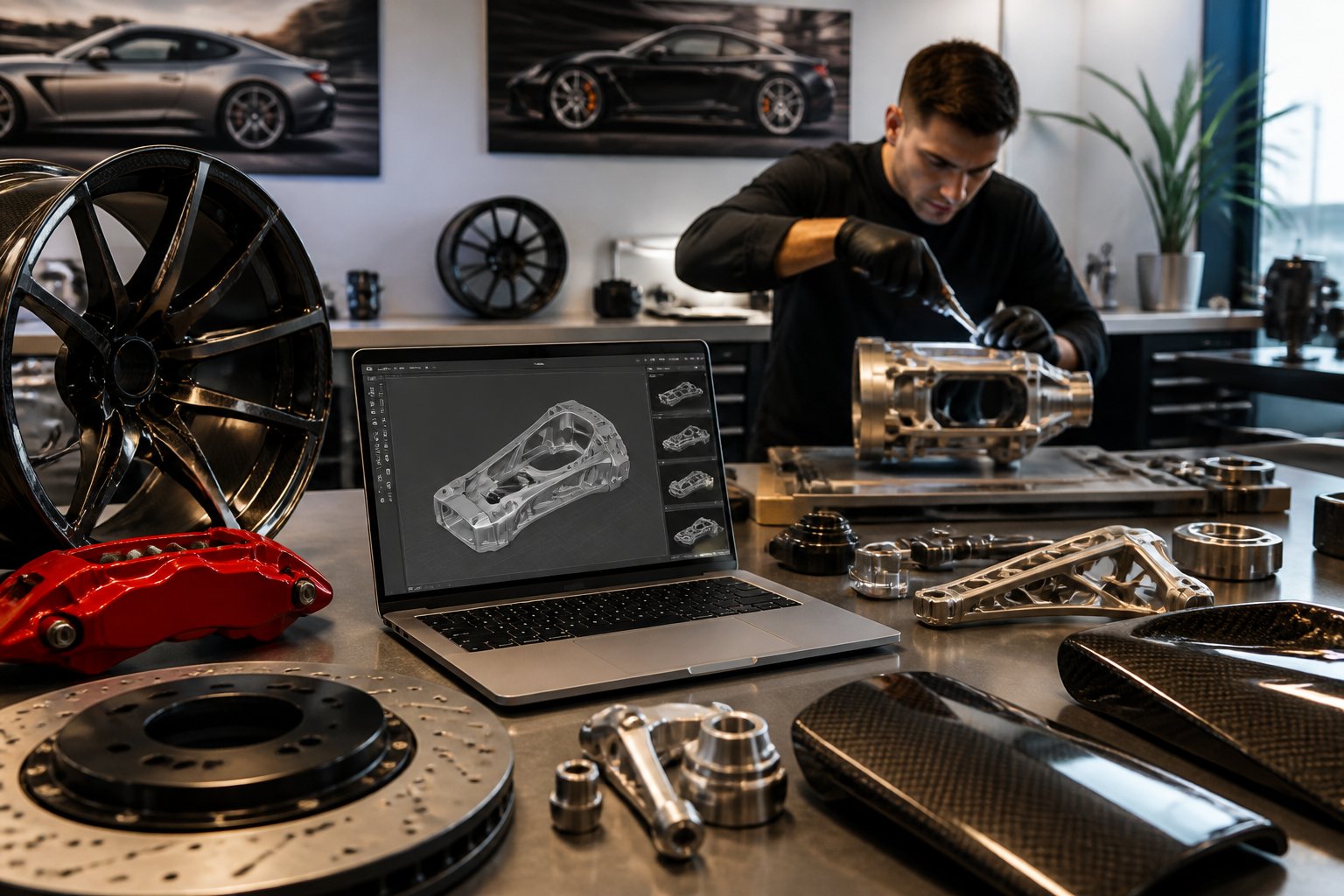
Several digital platforms now connect owners of exclusive vehicles with manufacturers who can produce custom parts. These services range from large marketplaces that source rare components to specialized workshops that focus on specific luxury brands.
Marketplace Aggregators for Rare Components
Marketplace aggregators serve as central hubs where multiple manufacturers compete to fulfill custom part requests. Custom manufacturing platforms like Xometry provide instant quotes for CNC machining, 3D printing, and sheet metal fabrication.
These services work well for owners who need one-off replacement parts or performance upgrades. On-demand production services typically offer free design analysis within hours and can deliver finished parts in days rather than weeks.
The automated quoting systems analyze uploaded CAD files and provide pricing based on material choice, quantity, and production method.
Key advantages include:
- Access to multiple manufacturing technologies in one place
- Competitive pricing from vetted supplier networks
- Quick turnaround times for urgent repairs
- Design feedback to ensure manufacturability
Boutique Workshops With Digital Ordering Systems
Boutique workshops combine traditional craftsmanship with modern ordering interfaces. Online sheet metal fabrication services accept STEP or DXF file uploads and deliver custom parts within days.
These smaller operations excel at complex modifications that require hands-on expertise. Precision manufacturing services often maintain in-house engineering teams that assist with material selection and design optimization.
This personal touch matters when working with exotic materials or unusual specifications common in luxury vehicles. These workshops typically specialize in specific processes like laser cutting, water jet cutting, or precision bending.
Their focused expertise often results in higher quality output for specialized applications.
Brand-Specific Supplier Networks
Brand-focused suppliers understand the unique requirements of particular vehicle manufacturers. BMW retrofit specialists offer upgrades like soft close doors and comfort access kits, even for vehicles that didn’t include these features from the factory.
These suppliers maintain detailed compatibility databases and installation guides specific to each model year. Brand-specific networks often source genuine replacement components alongside aftermarket upgrades.
They understand factory specifications, wiring diagrams, and coding requirements that generic manufacturers might miss. This specialized knowledge reduces installation errors and compatibility issues that can arise when modifying premium vehicles.
Custom Fabrication for Luxury and Exotic Vehicles
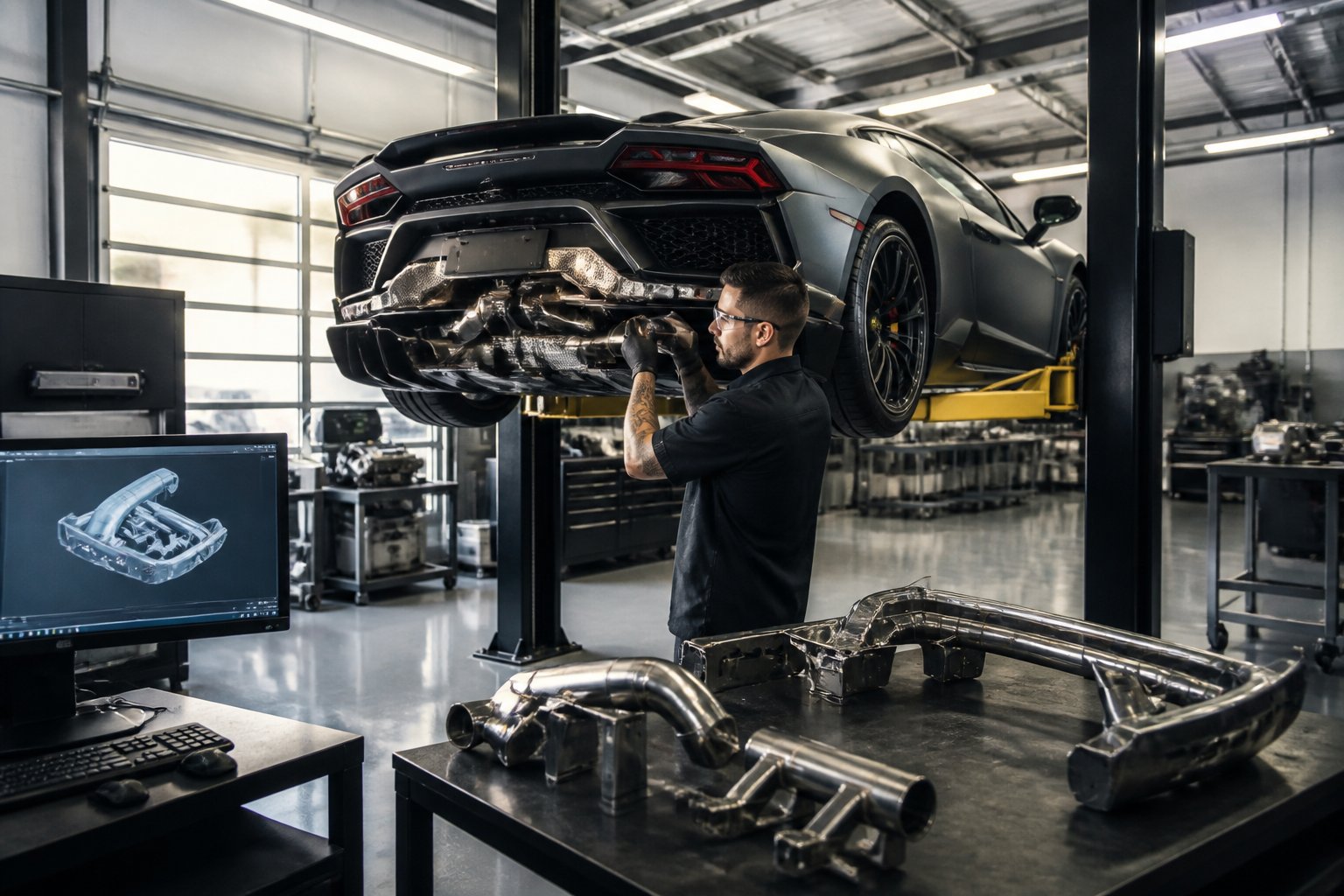
Specialized shops now create one-of-a-kind parts for high-end cars using advanced manufacturing methods and premium materials. These services ensure each component fits perfectly with brands like Ferrari, Lamborghini, Porsche, and Bentley.
Personalized Design Processes
Premium automotive tuning studios work directly with owners to develop custom carbon parts and aero kits tailored to specific vehicle models. The design process typically starts with a consultation where we discuss your vision and performance goals.
Designers create digital renderings and prototypes before moving to production. This allows you to see exactly how parts will look on your vehicle.
Custom body kit manufacturers specialize in transforming luxury vehicles into unique automotive pieces through exclusive designs. Many shops offer full-cycle product design services.
They handle everything from initial concept sketches to final installation. Some facilities even provide custom chassis fabrication and specialized welding for both classic and modern luxury vehicles.
Materials and Technologies Used
Modern fabrication relies on three main manufacturing methods. CNC machining, 3D printing, and sheet metal services ensure quality and affordability for custom car parts.
Carbon fiber remains the most popular material for exotic vehicle modifications. It offers strength while keeping weight low.
There is also extensive use of aircraft-grade aluminum and titanium for performance components. Advanced manufacturing technologies allow precise fitment.
Computer-aided design ensures each part matches factory specifications while adding custom elements. Some shops specialize in custom turbo kits, exhaust systems, and intercooler piping for high-performance applications.
Compatibility Assurance for Exclusive Models
Luxury vehicle tuning specialists maintain extensive databases of vehicle specifications to ensure proper fitment. Each part undergoes testing to confirm it works with specific makes and models.
Many services stock both OEM and aftermarket options. This gives us choices between factory-spec replacements and upgraded performance parts.
High-performance car parts suppliers focus specifically on Ferrari, Lamborghini, Porsche, and McLaren applications. Professional installers verify compatibility before beginning work.
They check measurements, mounting points, and clearances. Some shops offer warranties on custom fabrication to guarantee parts will fit and perform as expected on your specific vehicle model.
Verification and Trust Factors in Provider Selection
When selecting a custom fabrication provider for exclusive vehicle brands, we need to verify their credentials and assess their reliability through certifications, customer reviews, and service guarantees.
Evaluating Quality Certifications
Quality certifications serve as concrete proof that a fabrication provider meets industry standards. We should look for ISO certifications, which demonstrate that the company follows consistent quality management practices.
Many reputable providers also hold certifications specific to automotive manufacturing or metalworking. Third-party certifications matter because they involve independent verification of a company’s qualifications and compliance with established standards.
For exclusive vehicle brands, we want providers who have certifications from recognized automotive industry bodies or materials testing organizations. We can verify these credentials by requesting documentation directly from the provider.
Most legitimate fabricators display their certifications on their websites or provide copies upon request. We should also check that certifications are current and haven’t expired.
Customer Feedback and Portfolio Analysis
Previous customer experiences reveal how a provider performs in real-world situations. We need to examine reviews across multiple platforms to get an accurate picture of their work quality and customer service.
A provider’s portfolio shows their actual capabilities with exclusive vehicles. We should request examples of similar projects they’ve completed for the same vehicle brand or comparable luxury marques.
High-quality photos and detailed project descriptions indicate professional standards.
Key portfolio elements to review:
- Photos of finished custom parts installed on vehicles
- Materials used and fabrication techniques employed
- Complexity of modifications completed
- Range of exclusive brands they’ve worked with
We can also ask for references from past customers who owned similar vehicles. Direct conversations with previous clients provide insights that online reviews might miss.
Warranty and Support Considerations
Strong warranty coverage demonstrates a provider’s confidence in their fabrication work. We should expect at least a one-year warranty on custom parts, with longer coverage for structural modifications.
The warranty terms need to specify what’s covered and under what conditions. Post-installation support separates professional providers from unreliable ones.
We need to know if the fabricator offers technical assistance if installation issues arise. Some providers include installation guidance or even offer installation services themselves.
Return and exchange policies protect us if parts don’t fit properly or meet specifications. Clear policies should outline the timeframe for returns and who covers shipping costs for defective items.
Frequently Asked Questions
Custom fabrication services for exclusive vehicles require careful consideration of platform selection, quality verification, technical specifications, timing, compatibility assurance, and post-purchase support.
Which online platforms specialize in bespoke performance parts for luxury and exotic vehicles?
Several online custom parts marketplaces connect car owners with fabricators who can produce specialized components for high-end vehicles. These platforms allow us to request specific parts and receive quotes from multiple manufacturers.
Companies like Xometry offer custom car parts manufacturing using CNC machining, 3D printing, and sheet metal services specifically designed for various vehicle needs. eMachineShop manufactures custom vehicle parts for cars, motorcycles, and other applications using advanced processes.
For body modifications, custom body kit design and manufacturing services create full 3D animations and walkarounds before production begins. Some platforms focus on hard-to-find components through established business networks that serve luxury and exotic car owners.
How can I verify the credibility and quality standards of an online custom fabrication provider for high-end cars?
We should examine a fabricator’s experience level and industry track record before placing orders. Companies with decades of experience in vehicle modification typically demonstrate more reliable quality standards.
Looking for certifications, equipment capabilities, and manufacturing processes helps us assess technical competence. Providers that use CNC machining, precision tooling, and advanced CAD software generally maintain higher quality control.
Customer reviews, portfolio examples, and completed project galleries reveal actual workmanship quality. We can request sample parts, material certifications, or tolerance specifications to verify manufacturing standards before committing to full orders.
What information and measurements do fabricators typically require to produce a made-to-order component for a rare vehicle model?
We need to provide detailed CAD files in STEP or DXF format for precise manufacturing. These digital files contain exact dimensions, angles, and specifications that machines require for accurate production.
Fabricators request vehicle year, make, model, and trim level to ensure compatibility with existing systems. We should supply reference points, mounting locations, and clearance measurements from the actual vehicle.
Material preferences, finish requirements, and intended use cases help manufacturers select appropriate production methods. Photos of the installation area, existing components, and surrounding structures provide additional context for custom fabrication work.
What are the usual lead times, pricing factors, and shipping considerations for custom-made parts ordered online for premium brands?
Custom parts can be delivered in just a few days for simpler components using standard materials and processes. Complex fabrications with multiple manufacturing steps typically require several weeks from order to delivery.
Material costs, machining complexity, and order quantity directly impact pricing for custom components. Exotic materials, tight tolerances, and low-volume production runs increase per-unit costs significantly.
Shipping considerations include packaging requirements for fragile or precision parts that prevent damage during transit. International orders for exclusive vehicles may face customs delays, duties, and additional documentation requirements that extend delivery times.
How do online custom parts services ensure proper fitment, OEM compatibility, and safe installation for limited-production vehicles?
Manufacturing services use digital modeling and CAD validation to verify dimensions match vehicle specifications before production begins. Test fitting with physical prototypes or 3D-printed mockups identifies clearance issues early in the process.
Quality control inspections measure finished components against original specifications to confirm tolerances meet requirements. We can request fitment guarantees or dimensional reports that document accuracy levels.
Installation instructions, torque specifications, and mounting hardware packages help ensure safe assembly. Some fabricators provide technical support during installation to address unforeseen compatibility challenges with rare vehicle configurations.
Do online custom fabrication shops provide warranties, return policies, or post-installation support for one-off components?
Warranty coverage varies significantly between fabricators and depends on part type, application, and manufacturing method. We should clarify warranty terms, duration, and covered defects before ordering custom components.
Return policies for made-to-order parts are often limited since components are built to our specific requirements. Some manufacturers accept returns only for manufacturing defects rather than fitment issues or design changes.
Post-installation support typically includes technical consultation for assembly questions or performance concerns.