
Buying car parts online offers convenience and competitive pricing. The purchase is only as reliable as the warranty and return policy backing it.
When evaluating online auto parts suppliers, we should prioritize comprehensive warranty coverage that clearly defines duration and covered defects. A fair return policy should specify timeframes, conditions, and any associated fees.
These protections determine whether we’re making a secure investment or risking our money on parts that may not fit or perform as expected.
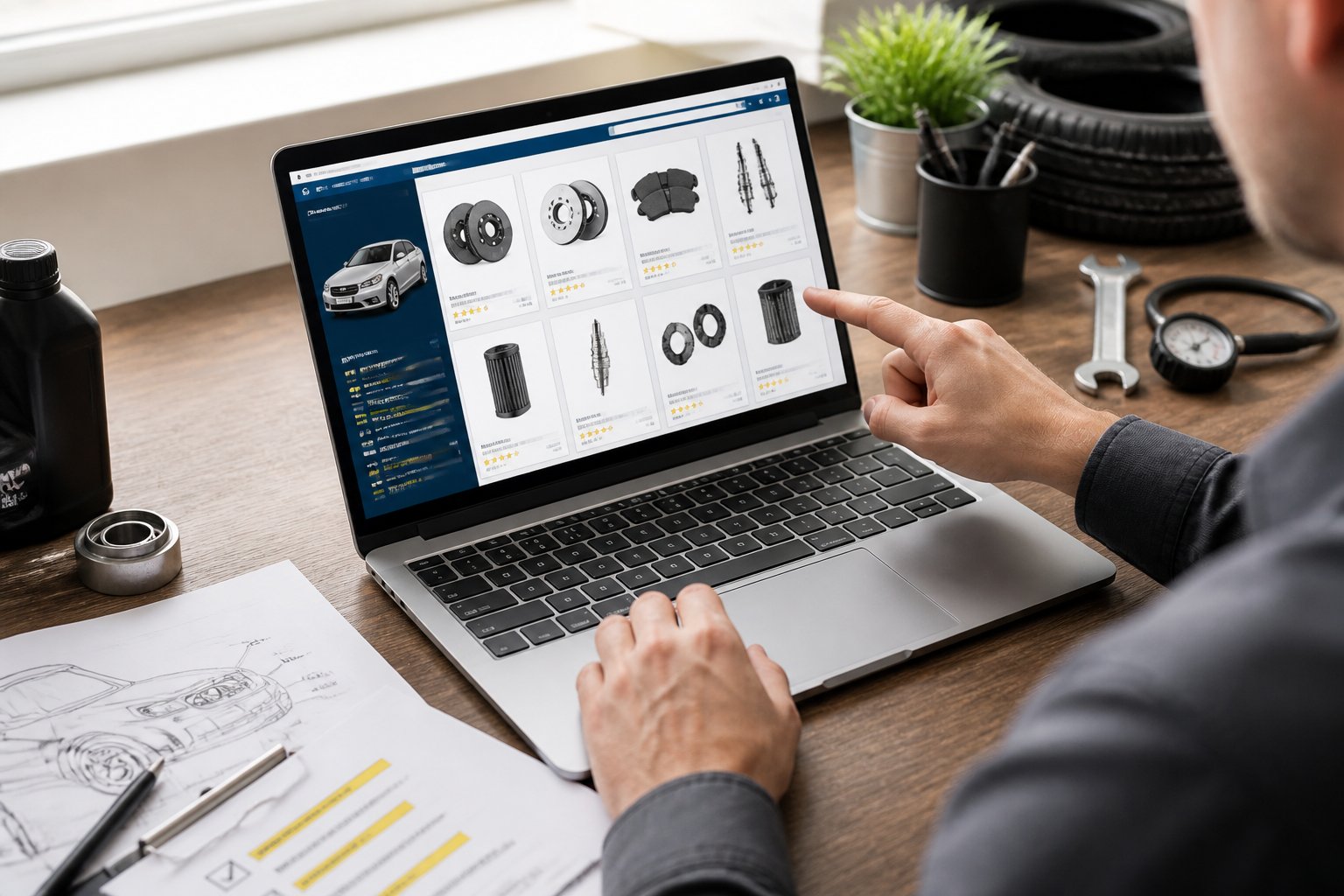
Understanding what separates a trustworthy supplier from a problematic one requires examining several key factors beyond the initial product price. We need to consider how warranty terms protect us against manufacturing defects, how return windows accommodate fitment issues, and what additional costs like restocking fees or core charges might apply.
We’ll cover how to verify compatibility before ordering, what to expect from different retailers, and how shipping logistics affect the return process when parts don’t meet our needs.
Understanding Warranty Coverage
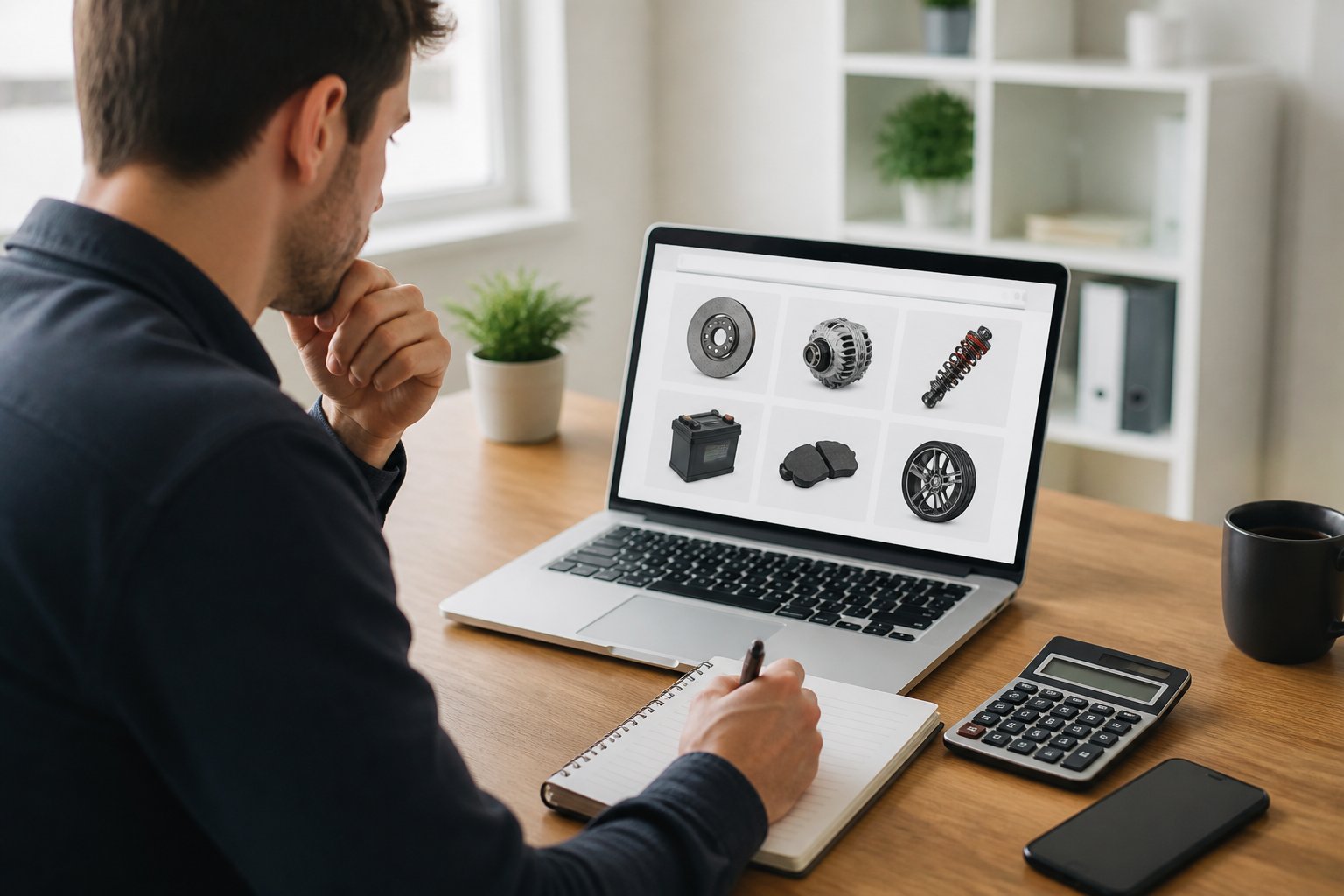
Warranty coverage protects your investment when purchasing car parts online by guaranteeing the quality and performance of components for a specified period. We need to examine the duration, scope, exclusions, and transferability of warranties to ensure adequate protection for our purchases.
Warranty Duration and Terms
Warranty periods vary significantly based on the type of part and manufacturer. Original Equipment Manufacturer (OEM) parts typically offer longer warranties ranging from 12 to 36 months, while aftermarket parts may provide coverage from 90 days to lifetime warranties depending on the supplier.
We should verify whether the warranty clock starts from the purchase date or installation date, as this affects our actual coverage period. Some suppliers offer prorated warranties where coverage value decreases over time, while others maintain full replacement rights throughout the entire term.
The terms should clearly specify whether we need to register the product, keep installation receipts, or use certified mechanics. Critical components like alternators, starters, and catalytic converters often require professional installation to maintain warranty validity.
Scope of Protection
The warranty should detail what types of failures and defects are covered under the agreement. Manufacturing defects, material failures, and premature wear typically fall under standard warranty protection for most car parts.
High-value components such as catalytic converters, airbags, and sensors usually include specific coverage terms due to their safety-critical nature and cost. We should confirm whether the warranty covers just the part replacement or includes labor costs for removal and installation.
Some warranties provide full replacement, while others only cover repair attempts before replacement becomes an option. We need to understand if the supplier will cover shipping costs for defective parts or if we bear that expense when making warranty claims.
Exclusions and Limitations
Most warranties exclude damage from improper installation, accidents, misuse, or modifications to the vehicle. Normal wear and tear items often have limited or no coverage despite being sold with a warranty designation.
Environmental damage, corrosion from road salt, and damage from racing or commercial use typically void warranty coverage. We should read the fine print carefully as some suppliers exclude coverage if we use incompatible fluids, fail to perform routine maintenance, or exceed certain mileage limits.
Aftermarket parts may have additional exclusions compared to OEM parts, particularly regarding compatibility issues with specific vehicle makes and models. Electronic components like sensors often exclude coverage if exposed to water damage or electrical surges not caused by the part itself.
Transferable Warranties
Transferable warranties allow coverage to pass to subsequent owners if we sell our vehicle before the warranty expires. This feature adds resale value to our vehicle and provides peace of mind to potential buyers.
Original Equipment Manufacturer warranties are generally transferable, while aftermarket part warranties vary by supplier. We should obtain written confirmation of transferability and understand any requirements for transfer, such as notification deadlines or transfer fees.
Some suppliers require the new owner to register the transfer within a specific timeframe to maintain coverage. Non-transferable warranties become worthless if we sell the vehicle, which we should factor into our purchasing decision for expensive components like alternators or starters.
Evaluating Return Policies

Return policies define your ability to send back parts that don’t fit, arrive damaged, or fail to meet expectations. Understanding the timeframes, conditions, and procedures helps you avoid restocking fees and ensures you can successfully return incompatible components.
Return Window Periods
The return window determines how many days you have to send back a part after purchase or delivery. Most major retailers like CarParts.com and RockAuto offer 30-day return windows, though some extend this to 60 or 90 days for certain products.
We recommend checking whether the window starts from the purchase date or delivery date, as this distinction can cost you several days. Some suppliers count business days rather than calendar days, which effectively shortens your return period.
Electrical components and custom-ordered parts often have shorter windows, sometimes as brief as 14 days. Seasonal items like headlights may follow different timelines depending on when you purchase them.
Conditions for Accepted Returns
Suppliers typically accept returns only when parts remain in new, unused condition with original packaging intact. Even minor damage to boxes or missing protective coverings can trigger rejection or restocking fees of 15-25%.
Core components like alternators and brake calipers require you to return the old part within a specific timeframe to avoid core charges. PartsOuq and similar retailers may refuse returns if you’ve installed the part, even briefly for test-fitting purposes.
Damaged or defective items usually bypass these restrictions, but you’ll need photographic evidence and detailed descriptions. Keep all packaging materials until you’ve confirmed the part works correctly in your vehicle.
Return Process and Documentation
Most suppliers require an RMA (Return Merchandise Authorization) number before accepting any return shipment. We must typically request this through the retailer’s website or customer service line, providing order numbers and reasons for the return.
The process usually involves these steps:
- Contact customer service within the return window
- Obtain RMA number and return shipping label
- Repackage the part with all original materials
- Ship using the provided label or approved carrier
- Track the return until confirmed received
Return shipping costs vary significantly between retailers. Some absorb these fees for defective parts, while others deduct $10-$20 from your refund.
RockAuto often requires customers to pay return shipping unless the error was theirs.
Non-Returnable Items
Certain categories are permanently excluded from return policies regardless of condition. Electrical parts, including sensors and control modules, are on this list at most suppliers due to the impossibility of verifying they haven’t been used.
Commonly marked as final sale:
- Special order or custom-manufactured parts
- Opened fluids, chemicals, and aerosols
- Software and diagnostic tools
- Clearance or closeout items
- Brake pads (at some retailers due to safety concerns)
Headlights and other lighting components fall into a gray area where policies differ substantially between suppliers. Some allow returns if unopened, while others classify all bulbs as non-returnable once you’ve taken possession.
Assessing Restocking Fees and Core Charges
Restocking fees typically range from 15-25% of the product price, while core charges function as refundable deposits on rebuildable auto parts. Understanding both fees helps us avoid unexpected costs when returning car parts online.
Restocking Fee Structures
Restocking fees cover the retailer’s costs for inspecting, repackaging, and restocking returned items. Most online auto parts retailers charge between 15% and 25% of the purchase price, though some waive these fees for defective parts covered under warranty.
Some retailers exempt certain items from restocking fees, while others charge flat rates instead of percentages. Items opened from original packaging or installed even briefly often incur higher restocking fees.
Key restocking fee considerations:
- Percentage-based vs. flat-rate fees
- Exemptions for defective or warranty claims
- Different rates for opened vs. unopened items
- Time limits that affect fee amounts
Core Charge Procedures
A core charge is a refundable deposit added to parts that can be remanufactured, including alternators, starters, batteries, brake calipers, and engine blocks. This deposit encourages us to return the old part for rebuilding rather than discarding it.
When we purchase a remanufactured alternator or starter, the core charge appears as a separate line item on our invoice. We receive a full refund of this deposit after returning our old part in rebuildable condition within the specified timeframe.
Core charges vary by part type but represent the value of the rebuildable component. The refund process requires us to ship the old part back using the retailer’s specified method.
Most retailers provide prepaid shipping labels for core returns.
Core Return Requirements
Cores must meet specific condition standards to qualify for refund. The part should be complete, rebuildable, and match the type purchased.
We cannot return cores that are cracked, severely corroded, or missing major components.
Common core return conditions:
- No broken housings or cases
- All mounting brackets intact
- Internal components present
- Free from excessive damage
Most retailers require core returns within 30 to 90 days of purchase. Missing this deadline forfeits our core charge refund.
We should keep all documentation, including the original invoice and core charge amount, to ensure proper credit processing.
Ensuring Accurate Fitment and Compatibility
Wrong parts lead to delays, additional shipping costs, and installation headaches that proper verification prevents. Using VIN lookup tools, validating fitment through multiple methods, and cross-referencing part numbers eliminates most compatibility errors before placing an order.
VIN Lookup Tools
Most reputable automotive parts suppliers now offer VIN lookup systems that decode your vehicle’s 17-character identification number to match compatible components. We enter the VIN directly into the search interface, and the system filters inventory to show only parts engineered for our specific make, model, year, and trim level.
This method accounts for mid-year production changes and regional variations that generic year/make/model searches often miss. The VIN reveals exact engine size, transmission type, drivetrain configuration, and factory-installed options that affect part compatibility.
However, VIN lookup tools aren’t infallible. We always verify the returned results against our vehicle’s actual specifications, particularly for aftermarket components where fitment databases may contain incomplete information.
Fitment Verification Methods
Beyond VIN lookup, we cross-check compatibility using multiple verification approaches. Comparing the original part still installed on our vehicle provides direct visual confirmation of connector types, mounting points, and physical dimensions.
Many automotive parts providers display detailed product images showing multiple angles, connector configurations, and measurement specifications. We examine these against our existing component to identify potential mismatches.
Online fitment notes often highlight known installation challenges or modifications required for specific vehicle configurations. Reading customer reviews from buyers with identical vehicles reveals real-world compatibility issues that automated systems miss.
When buying car parts for vehicles with aftermarket modifications, we contact the supplier directly to confirm fitment since automated tools assume factory specifications.
Importance of Part Numbers
Original equipment manufacturer part numbers provide the most reliable compatibility verification available. We locate the OEM part number stamped, printed, or labeled on our existing component and search for exact matches or verified cross-references.
Aftermarket manufacturers assign their own part numbers but typically list compatible OEM numbers in product specifications. Cross-referencing these numbers confirms whether an aftermarket alternative truly replaces the original equipment manufacturer component.
We avoid suppliers who don’t display clear part number information or refuse to confirm OEM cross-references. Legitimate automotive parts suppliers maintain detailed part number databases and help verify compatibility when documentation is unclear.
Keeping a record of both OEM and aftermarket part numbers simplifies future replacement orders and warranty claims.
Shipping Origin and Return Logistics
Understanding where car parts ship from and how returns work can prevent costly surprises and delays. The location of a supplier’s warehouse, who pays for return shipping, and how international orders are handled all impact the total cost and convenience of buying car parts online.
Shipping Costs and Return Shipping
We need to verify whether the seller covers return shipping or if we’re responsible for those costs. Many suppliers offer free standard shipping on orders over a certain threshold but require customers to pay for returns unless the part is defective or incorrect.
This means a $50 part could cost us an additional $20-30 to ship back if it doesn’t fit. Some platforms like PartsOuq clearly state their return shipping policies upfront, which helps us calculate the true cost before purchasing.
We should look for sellers who provide prepaid return labels for defective parts or wrong shipments. It’s worth noting that restocking fees of 10-25% may apply even when return shipping is free, so we need to read the fine print carefully.
Domestic Versus International Shipping
Parts shipped domestically typically arrive faster and cost less to return than international orders. When buying car parts online from overseas suppliers, we face potential customs fees, import taxes, and significantly longer shipping times of 2-4 weeks versus 3-7 days for domestic orders.
International returns present additional challenges. We may need to complete customs forms, pay international shipping rates of $40-100, and wait weeks for refund processing.
Some international sellers don’t accept returns at all, or they require us to ship parts back at our expense to a warehouse in another country. We should prioritize domestic suppliers when possible or confirm that international sellers maintain a local return center.
Handling Shipping Delays
Shipping delays can occur due to inventory issues, carrier problems, or customs processing for international orders. We should confirm whether the supplier provides tracking numbers and estimated delivery dates at the time of purchase.
Most reputable sellers allow us to cancel orders that haven’t shipped yet without penalty. If a part arrives late and we’ve already sourced it elsewhere, we need a return policy that doesn’t penalize us for refusing delivery or returning unopened packages.
We should also ask whether the supplier offers expedited shipping options and what happens if a time-sensitive repair part doesn’t arrive as promised.
Comparing Online Car Parts Retailers
Major retailers differ significantly in their warranty terms, return windows, and customer service approaches. We need to evaluate specific platforms and verify seller credentials before making purchases.
Top Automotive Parts Suppliers
CarParts.com offers a 90-day return window on most items and provides free returns on defective parts. Their warranty coverage includes a one-year guarantee on most components.
RockAuto stands out for its extensive catalog and competitive pricing structure. They maintain a 30-day return policy with a restocking fee that typically ranges from 15% to 25%.
Their warranty terms vary by manufacturer, requiring us to check individual product specifications. PartsOuq specializes in OEM parts for international vehicle brands.
We find their return policy allows 14 days for unused parts in original packaging. They provide manufacturer warranties that extend from one to three years depending on the component.
Each automotive parts supplier maintains different core charge policies for items like alternators and starters. We must compare these upfront costs when evaluating total purchase expenses.
Differences Between Online Platforms
Return shipping costs separate budget-friendly platforms from premium services. Some automotive parts providers cover return shipping for defective items while others require us to pay both ways.
Warranty claim processes vary significantly across platforms. Certain retailers handle claims directly through their customer service teams.
Others require us to contact the original manufacturer, adding complexity and time to the resolution process. Parts availability and delivery timelines differ based on warehouse locations and inventory systems.
Major platforms stock common components for immediate shipment. Specialized parts may require special orders with extended wait times ranging from several days to weeks.
Payment protection and security measures also distinguish professional operations from questionable sellers. Established retailers use encrypted checkout systems and offer purchase protection programs.
Checking Seller Reputation
We start by examining customer reviews across multiple platforms including Trustpilot, Better Business Bureau, and Google Reviews. Look for patterns in complaints about warranty denials or difficult return processes.
Response times to customer inquiries indicate service quality levels. Contact potential automotive parts providers with specific questions about their return policies before purchasing.
Their willingness to provide clear answers reveals their commitment to customer satisfaction. Verify business credentials including physical addresses, contact information, and years in operation.
Established suppliers maintain transparent information on their websites. We avoid retailers that only provide email contact or lack verifiable business details.
Check for industry certifications or memberships in automotive trade associations. These affiliations suggest adherence to professional standards and ethical business practices.
Frequently Asked Questions
Understanding warranty durations, coverage exclusions, and return requirements helps buyers navigate potential issues with online car part purchases. These answers clarify common concerns about documentation, fees, and refund processes.
What warranty duration and coverage terms are typically offered for online car parts purchases?
Most online car parts come with warranties ranging from 90 days to lifetime coverage, depending on the part type and manufacturer. Standard components like brake pads often carry 1-year warranties, while more expensive items such as alternators and starters typically offer 2 to 3 years of coverage.
We’ve found that lifetime warranties are common for certain hard parts like water pumps and fuel pumps from major brands. However, these lifetime guarantees usually apply only to the original purchaser and require proof of purchase.
The coverage terms generally protect against defects in materials and workmanship under normal use conditions. Performance parts and racing components often have shorter warranty periods, sometimes as brief as 30 to 90 days.
How can I confirm whether a warranty is provided by the manufacturer, the seller, or both?
We recommend checking the product listing page for explicit warranty information before completing your purchase. The listing should state whether the warranty comes from the manufacturer, the retailer, or both parties.
Manufacturer warranties are typically handled directly through the brand and require contacting them for claims. Seller warranties are processed through the retailer where you made the purchase and may offer faster resolution times.
Some retailers provide additional warranty coverage beyond what the manufacturer offers. We suggest reviewing both the manufacturer’s warranty card included with the part and the seller’s warranty policy documentation.
Which types of damage or failures are commonly excluded from car part warranties?
Most warranties exclude damage caused by improper installation, which makes professional installation or following exact specifications critical. We’ve seen claims denied when parts were installed incorrectly or incompatible parts were used together.
Normal wear and tear falls outside warranty coverage for consumable items like brake pads, filters, and wiper blades. Racing use, competitive events, and modifications to the vehicle often void warranty protection entirely.
Environmental damage from corrosion, road salt, or exposure to extreme conditions is typically not covered. Warranties also exclude failures resulting from accidents, neglect, lack of maintenance, or use in commercial applications when the part was designed for personal vehicles.
What documentation is usually required to file a warranty claim for an online auto part purchase?
We need to provide the original purchase receipt or order confirmation showing the date of purchase and part number. Most manufacturers and sellers require this proof of purchase as the first step in any warranty claim process.
Photos or videos of the defective part, including any part numbers visible on the component, help support the claim. We should document the failure mode and show how the part is currently installed in the vehicle.
Some warranty claims require a written description of the problem and the vehicle’s current mileage. Certain suppliers may request the defective part be returned for inspection before approving a replacement or refund.
What return window and condition requirements apply for returning car parts bought online?
Standard return windows for online car parts typically range from 30 to 90 days from the purchase date. We must initiate the return within this timeframe, though some sellers offer extended return periods for unopened items.
Parts must generally be in new, uninstalled condition with all original packaging, tags, and accessories included. Electrical components often cannot be returned once the packaging is opened due to the impossibility of verifying they haven’t been installed.
Core parts like alternators and starters require the return of the old core within a specified period, usually 30 days. We should verify whether the part is returnable before purchasing, as some items like custom-ordered or special-order parts may be non-returnable.
How do restocking fees, shipping costs, and core charges affect the total refund amount?
Restocking fees typically range from 15% to 25% of the purchase price when returning parts that were ordered incorrectly or no longer needed. We won’t face restocking fees if the part arrives defective or damaged, or if the seller shipped the wrong item.
Return shipping costs are usually the buyer’s responsibility unless the return results from seller error. We should expect to pay for insured shipping when returning expensive components to ensure they arrive safely for inspection.
Core charges are deposits added to parts like starters, alternators, and brake calipers that get refunded when we return the old part. If we fail to return the core within the specified timeframe, we forfeit this deposit, which can range from $20 to $200 depending on the component.