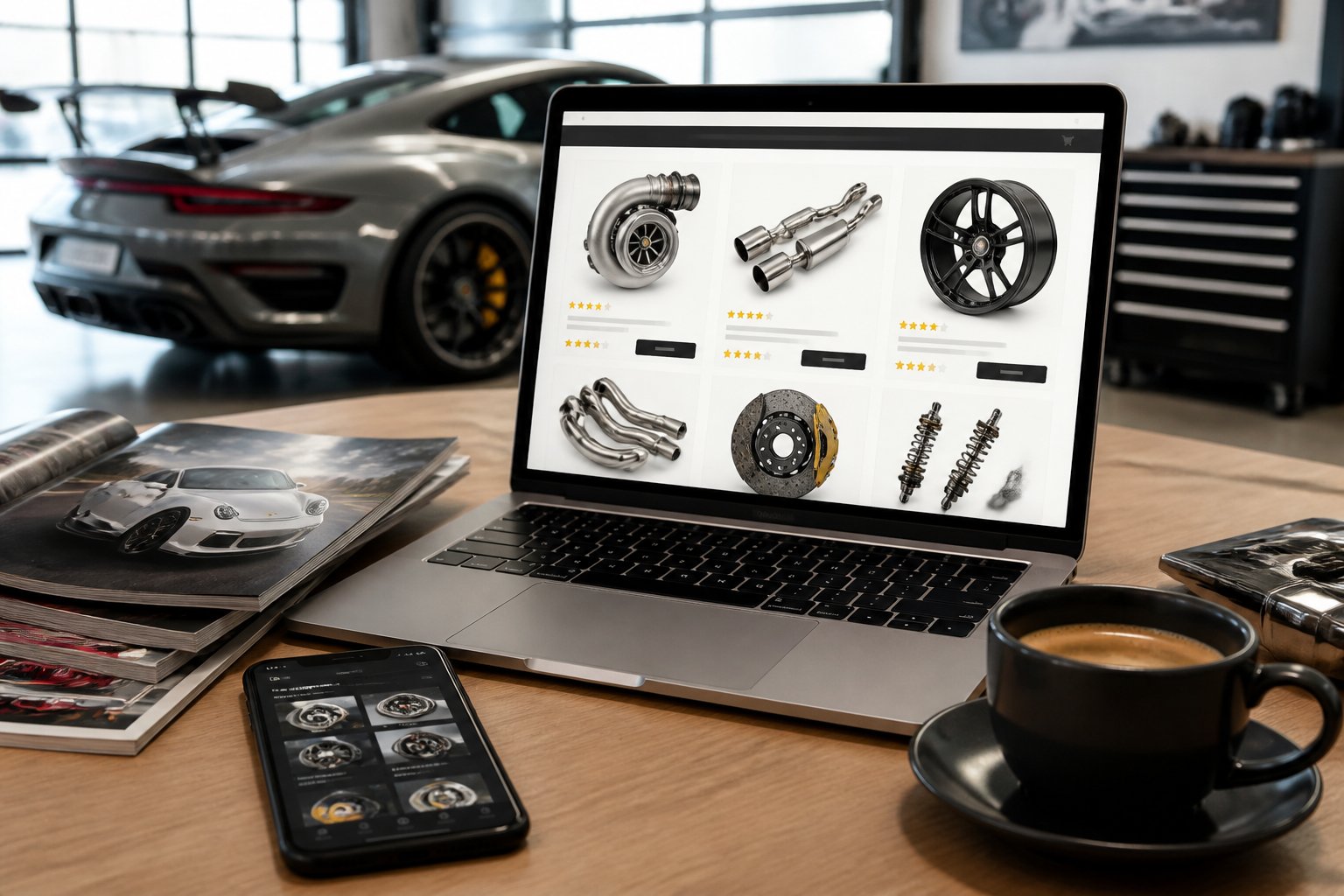
Finding certified pre-owned performance parts for luxury vehicles requires knowing where to look in today’s digital marketplace. Specialized online platforms and established automotive retailers now offer curated selections of tested, warrantied performance components from premium brands at significant savings compared to buying new.
These marketplaces connect buyers with quality OEM and aftermarket parts that maintain factory compatibility while reducing costs.
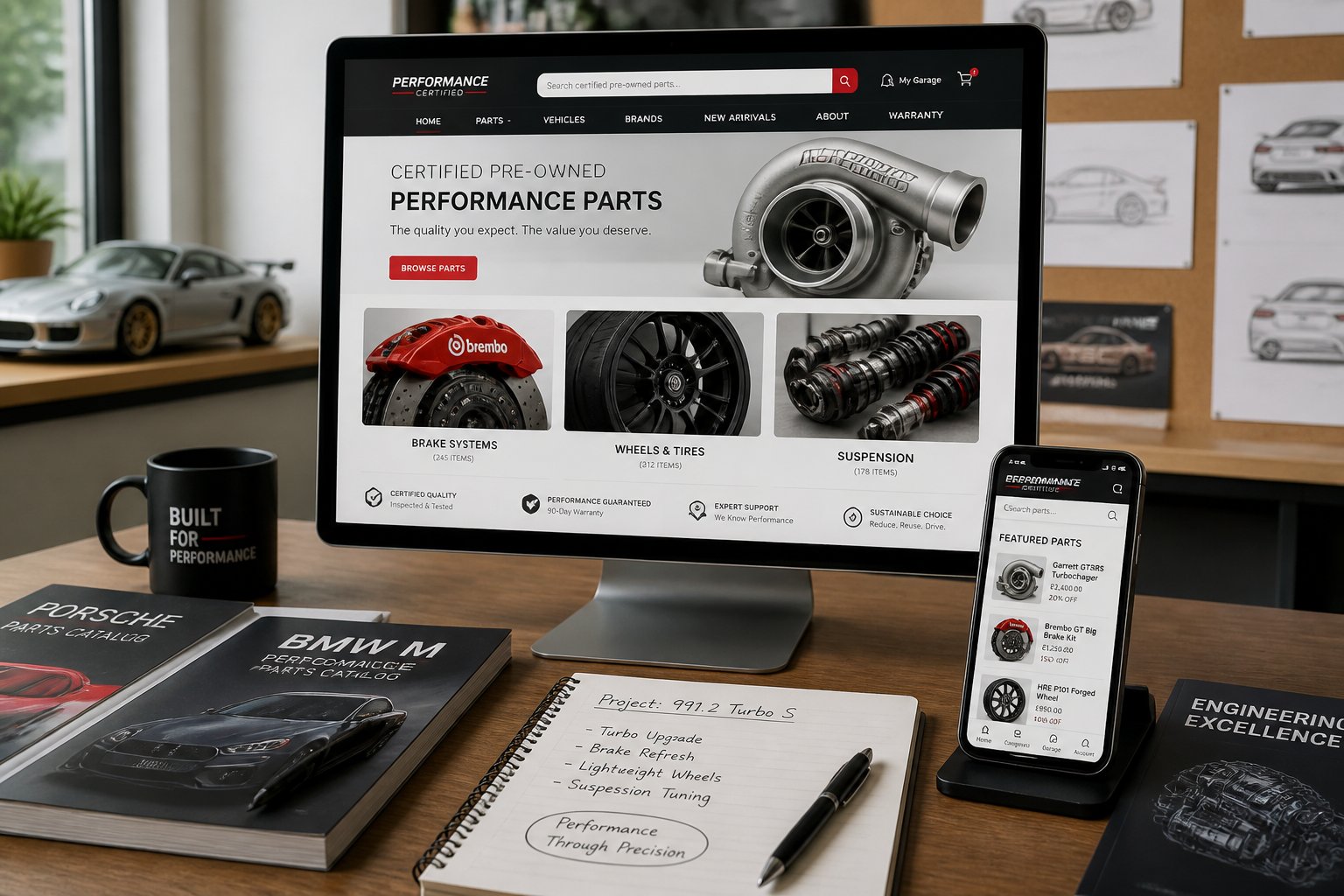
We’ve compiled this guide to help you navigate the landscape of online retailers specializing in high-end automotive components. From understanding certification standards to identifying reputable platforms, we’ll walk you through the essential considerations when sourcing pre-owned performance parts for your luxury vehicle.
The right online marketplace can make the difference between a successful upgrade and a costly mistake. By focusing on sellers that offer proper testing, warranties, and verification processes, you can build or maintain your high-performance machine without compromising on quality or breaking the budget.
Top Online Platforms for Certified Pre-Owned Performance Parts
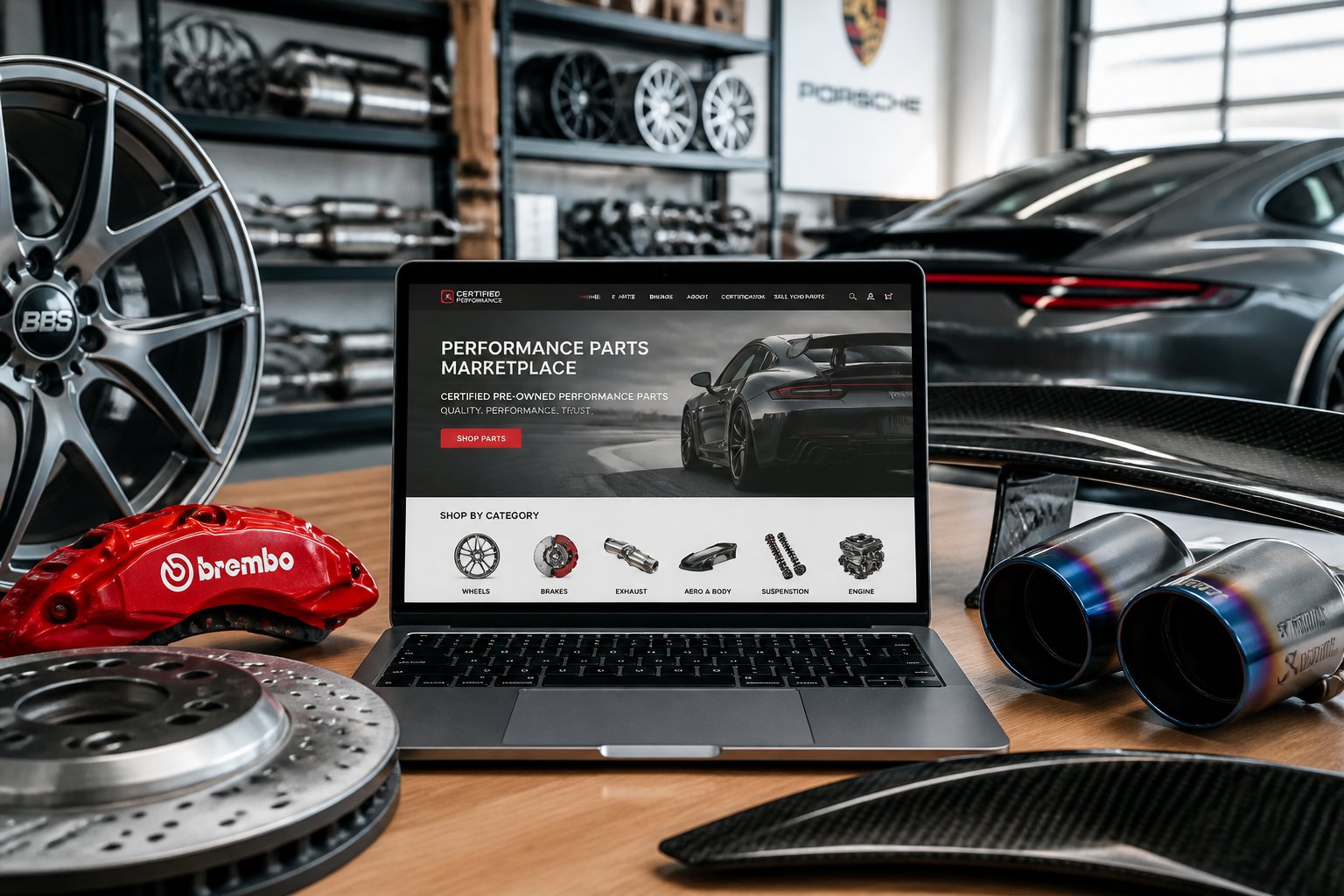
Several specialized platforms have emerged as reliable sources for certified pre-owned performance components, each offering distinct advantages in inventory selection, quality assurance, and buyer protection. These marketplaces range from dedicated performance shops to comprehensive auto parts networks.
Specialty Performance Shops
Dedicated performance shops provide curated selections of pre-owned components specifically tested for high-end applications. Good Vibrations Racing operates a buy-sell-trade model for used performance parts, maintaining inventory rated from good to excellent condition.
Slaughter Motorsports specializes in race-ready components with thorough inspection protocols before listing. These specialty retailers typically focus on enthusiast-grade modifications and racing equipment.
Their expertise lies in understanding the specific requirements of performance builds. These shops are particularly valuable when searching for discontinued or rare performance components that mass-market platforms don’t carry.
The advantage of specialty performance shops includes staff knowledge about compatibility and application-specific requirements. They often provide detailed condition reports and performance histories for their certified pre-owned inventory.
Major Auto Parts Marketplaces
LKQOnline hosts millions of used auto parts with standardized warranty coverage and expedited shipping options. Team PRP maintains what they describe as the largest online inventory of used auto parts, focusing on consistency and quality control across their nationwide network.
B-Parts differentiates itself by photographing every individual part and offering same-day shipping on most orders. Premium Used Auto Parts concentrates on tested OEM components, particularly engines and transmissions, with nationwide delivery infrastructure.
These platforms typically serve parts for vehicles spanning multiple decades and manufacturers. Their warranty programs and certification processes provide buyer confidence comparable to new parts purchases.
Brand-Specific Retailers
Manufacturer-authorized dealers and OEM surplus retailers offer authentic factory components at reduced prices. MobileiGo.com operates a clearance hub for OEM surplus alongside performance parts, ensuring genuine manufacturer specifications.
Brand-specific channels guarantee authenticity and proper fitment for high-end automobiles. These retailers often stock overrun inventory, discontinued genuine parts, and certified refurbished components directly from manufacturer facilities.
We recommend these sources when maintaining factory specifications is critical or when insurance requirements mandate OEM-equivalent parts. The trade-off is typically narrower selection compared to multi-brand marketplaces, but certification standards often exceed third-party alternatives.
Key Categories of High-End Automotive Components
When sourcing certified pre-owned parts for premium vehicles, we focus on components that deliver measurable performance gains and maintain factory-level quality standards. These categories represent the most frequently upgraded systems where used OEM and aftermarket parts offer significant value.
Air Intake Systems
Air intake systems control the volume and temperature of air entering the engine, directly affecting horsepower and throttle response. High-end vehicles often feature cold air intakes, short ram intakes, or velocity stack configurations designed for specific performance characteristics.
We prioritize pre-owned intakes from manufacturers like BMW M Performance, Mercedes-AMG, and Porsche Motorsport because these systems integrate seamlessly with factory electronics. Carbon fiber construction and heat shields are common in premium applications, reducing intake air temperatures by 15-30 degrees compared to stock components.
Certified pre-owned air intake systems should include all mounting hardware, mass airflow sensors, and necessary adapters. Performance gains typically range from 8-20 horsepower on naturally aspirated engines, with forced induction applications seeing improvements in boost response and turbo efficiency.
Suspension Upgrades
Suspension components fundamentally alter handling characteristics, ride quality, and cornering capabilities. Premium suspension parts include adjustable coilovers, air suspension systems, anti-roll bars, control arms, and bushings manufactured from materials like forged aluminum and polyurethane.
We examine damper adjustability ranges, spring rates, and drop heights when evaluating used suspension components. Brands like KW, Bilstein, Öhlins, and factory sport packages from Audi Sport, Lexus F Sport, and Cadillac V-Series maintain their performance characteristics through multiple ownership cycles.
Pre-owned electronic damping systems require verification of sensor functionality and control module compatibility. Coilover systems should show minimal oil seepage and retain full adjustment ranges across compression and rebound settings.
Electronics and ECU Tuning
Engine control unit modifications and performance electronics optimize fuel delivery, ignition timing, and boost pressure beyond factory parameters. Certified pre-owned tuning solutions include handheld programmers, piggyback modules, and complete ECU replacements from companies like Cobb, APR, and Dinan.
We verify that used electronics include original licensing and can be unmarried from previous vehicles for proper installation. Data logging capabilities, multiple map storage, and emissions compliance are critical factors when sourcing pre-owned tuning equipment.
Performance gains from ECU tuning range from 15-35% increases in horsepower and torque, particularly on turbocharged applications. Pre-owned electronics must maintain update compatibility and support current vehicle software versions to ensure long-term functionality.
Wheels and Tires
Wheels and tires represent the contact patch between vehicle and road surface, affecting acceleration, braking distances, and cornering grip. Premium forged wheels reduce unsprung weight by 20-40% compared to cast alternatives, improving suspension response and ride quality.
We assess pre-owned wheels for curb damage, cracks, and proper offset specifications that maintain factory suspension geometry. High-performance tires from Michelin Pilot Sport, Pirelli P Zero, and Continental SportContact lines offer grip levels that exceed standard all-season compounds.
Certified wheel and tire packages should include TPMS sensors, center caps, and lug hardware specific to each vehicle application. Width, diameter, and offset measurements must match manufacturer specifications to prevent clearance issues with brake calipers and fender wells.
Ensuring Certification and Quality Standards
When purchasing certified pre-owned performance parts for high-end automobiles, we must verify that components meet legitimate industry standards and come with proper documentation. Authentic certifications like CAPA and ISO 9001 provide measurable assurance of quality and safety.
Inspection and Authenticity Checks
We should always request documentation proving that parts have undergone rigorous testing and meet established certification standards. CAPA-certified parts, for example, must pass comprehensive quality requirements before receiving their quality seal.
This certification process involves sampling parts and testing them against original equipment manufacturer specifications. For performance parts specifically, we need to verify that components have received Performance Parts Certification, which validates both quality and performance benchmarks.
We can cross-reference certification numbers through official databases to confirm authenticity. Many reputable sellers provide detailed inspection reports that document the part’s condition, origin, and compatibility with specific vehicle models.
We must examine the seller’s verification process for certified parts. Look for vendors who conduct their own inspections beyond the manufacturer’s certification, including visual inspections for wear, structural integrity tests, and compatibility verification.
Warranty Considerations
Warranty coverage serves as a critical indicator of part quality and seller confidence. We should expect certified pre-owned performance parts to include warranties ranging from 30 days to one year, depending on the component type and seller.
Premium sellers often provide warranties comparable to new OEM parts, covering defects in materials and workmanship. We need to review warranty terms carefully, noting what specific failures are covered and any exclusions that apply to performance applications.
Some warranties become void if parts are installed improperly or used in racing conditions. Extended warranty options may be available for high-value components like turbos, superchargers, or engine blocks.
We should compare warranty offerings across different vendors, as this often reflects their confidence in part quality.
Return and Exchange Policies
Clear return policies protect us from receiving incompatible or defective parts. We should prioritize vendors offering free returns within at least 30 days of purchase, as this demonstrates their commitment to customer satisfaction.
The best online marketplaces for certified performance parts typically provide prepaid return labels and straightforward exchange processes. We must verify whether returns require the part to remain in unopened packaging or if installed parts can be returned if they fail to meet specifications.
Some sellers charge restocking fees ranging from 10% to 25% for non-defective returns, which we should factor into our purchasing decisions. We need to confirm whether return windows begin at the purchase date or delivery date, as shipping times can affect our ability to inspect and test parts promptly.
Navigating Online Listings and Inventory
Successfully locating certified pre-owned performance parts requires understanding how to search efficiently, filter results accurately, and leverage available support resources to confirm compatibility with high-end vehicles.
Effective Search Strategies
We recommend starting with specific part numbers or OEM designations when searching for certified pre-owned components. This approach eliminates irrelevant results and directs us to exact matches for BMW M, Mercedes-AMG, Porsche, or other performance vehicle parts.
Advanced search operators help narrow results significantly. We can combine manufacturer names with model years, chassis codes, or VIN prefixes to find parts that match our vehicle’s specifications.
Many platforms allow searches by component category—turbochargers, exhaust systems, suspension components. This proves useful when we lack specific part numbers.
Timing our searches strategically increases our chances of finding rare components. Inventory on major platforms refreshes continuously as facilities process incoming vehicles.
Checking multiple times throughout the week reveals newly listed parts. Setting up alerts for specific components ensures we receive notifications when matching inventory becomes available.
Filtering by Vehicle and Compatibility
Modern inventory systems let us filter by make, model, year range, and engine type to find parts compatible with our vehicles. We should verify fitment using multiple data points including VIN-specific lookups, which many platforms now offer to eliminate guesswork.
Critical filtering parameters include:
- Production date ranges (not just model year)
- Engine codes and transmission types
Other important factors include regional specifications (North American vs. European variants) and factory options and trim packages.
Cross-referencing part numbers against manufacturer databases confirms authenticity and certification status. We must verify that listings explicitly state “certified,” “OEM,” or “genuine” rather than aftermarket alternatives.
Utilizing Customer Support Services
Direct communication with parts specialists provides verification that automated systems cannot offer. We should contact support teams to confirm certification documentation, inspection reports, and warranty coverage before purchasing expensive performance components.
Many established platforms maintain technical staff familiar with high-performance vehicles who can verify compatibility questions. We can request additional photographs, manufacturing date codes, or condition assessments for critical components like engine management systems or forced induction hardware.
These specialists often access inventory not yet listed publicly. This gives us early opportunities to find parts before they appear in general searches.
Popular Brands and Automotive Accessories
High-end performance parts require careful consideration of manufacturer origins and compatibility standards. The choice between original equipment and aftermarket components significantly impacts vehicle performance, warranty coverage, and long-term reliability.
OEM Versus Aftermarket Performance Parts
OEM (Original Equipment Manufacturer) parts come directly from vehicle manufacturers and match factory specifications exactly. These components maintain the same quality standards as parts installed during initial production.
Certified pre-owned OEM auto parts offer guaranteed fitability and often include manufacturer warranties. Aftermarket performance parts provide alternatives manufactured by third-party companies.
JEGS and Summit Racing specialize in these components, offering over 1 million parts from 800+ brands. Many aftermarket manufacturers produce parts that exceed OEM specifications, particularly for performance applications.
CAPA (Certified Automotive Parts Association) certification helps identify quality aftermarket components that meet industry standards. Price differences between OEM and aftermarket options can reach 30-50%, though this varies by part type and manufacturer.
Premium Used Auto Parts and LKQ provide tested inventory for both categories with warranty protection.
Accessory Upgrades for Performance Vehicles
Performance automotive accessories enhance vehicle capabilities beyond standard equipment. Engine upgrades, suspension components, and exhaust systems rank among the most popular modifications for high-end automobiles.
Retailers like throtl specialize in premium performance parts for both cars and trucks. Brake systems, cold air intakes, and turbocharger kits deliver measurable performance improvements.
Interior accessories including racing seats, shift knobs, and gauge clusters complement mechanical upgrades. Exterior components such as aerodynamic body kits, spoilers, and carbon fiber panels reduce weight while improving aesthetics.
LKQ Corp offers replacement systems and equipment spanning multiple performance categories. Compatibility with existing vehicle systems remains critical for proper function and safety compliance.
Maximizing Value and Shopping Experience
Smart shopping for certified pre-owned performance parts requires attention to pricing opportunities and understanding the advantages of choosing certified components over standard used parts. We can significantly reduce costs while maintaining quality standards through strategic purchasing approaches.
Leveraging Discounts and Clearance Deals
Performance shops and online retailers frequently rotate their inventory. This creates opportunities to acquire premium components at reduced prices.
Clearance sections often feature authentic OEM surplus parts that didn’t sell at full retail price but maintain the same quality standards as their full-priced counterparts. We recommend checking clearance areas weekly, as high-end automotive parts can appear without warning.
Many retailers offer free returns on clearance items, removing the risk from discounted purchases. This policy allows us to verify fitment and condition without financial commitment.
Signing up for email alerts from specialized performance shops ensures we receive notifications about flash sales and exclusive discounts. Some platforms provide additional percentage reductions on already-discounted clearance items during seasonal promotions.
Bulk purchasing of compatible parts can unlock volume discounts. This is particularly beneficial when sourcing multiple components for a complete build or restoration project.
Benefits of Certified Pre-Owned Purchases
Certified pre-owned performance parts offer verifiable quality assurance that standard used components cannot match. These parts undergo inspection processes that verify functionality, structural integrity, and compatibility with manufacturer specifications.
Warranty coverage distinguishes certified options from typical used parts. We gain protection against defects and premature failure, often ranging from 30 days to one year depending on the component and seller.
Certified parts include documented history when available, showing previous vehicle applications and maintenance records. Returns policies are typically more favorable, with extended windows and fewer restrictions compared to as-is used parts.
Authentication guarantees prevent counterfeit components from entering our builds. This is a critical concern with high-performance applications where safety and reliability depend on genuine parts.
Frequently Asked Questions
Understanding certification standards, verification processes, and risk management strategies becomes critical when investing in pre-owned performance components for luxury vehicles. Buyers need clear information about marketplace selection, authenticity verification, and protection mechanisms for high-value transactions.
Which reputable online marketplaces specialize in certified pre-owned performance parts for luxury and exotic vehicles?
We recommend starting with manufacturer-authorized platforms like Porsche Classic Parts and BMW Classic Center, which maintain strict certification standards for their brand-specific components.
These platforms offer documented provenance and factory-backed quality assurance. Specialized marketplaces such as BringatTrailer’s Parts section and Collecting Cars Parts cater specifically to high-end and exotic vehicles.
They implement verification processes and attract knowledgeable sellers who understand the premium market. Multi-brand platforms like LKQ Online and Car-Part.com maintain extensive inventories of performance parts with certification options.
We’ve found their VIN-matching tools and seller rating systems particularly useful for sourcing verified components.
How can buyers verify authenticity and certification documentation when purchasing pre-owned high-performance parts online?
We always request the original manufacturer part number and compare it against factory documentation before proceeding with any purchase. Authentic performance parts carry specific markings, serial numbers, and sometimes holographic labels that sellers should photograph clearly.
Certification documentation should include inspection reports, testing results, and warranty information from recognized third-party certifiers or manufacturer programs. We verify these documents by contacting the certifying organization directly using contact information we locate independently, not what the seller provides.
For high-value components, we request detailed photos showing all identification markings, wear patterns, and condition indicators. Authentic parts display consistent manufacturing quality and finishing that differs noticeably from counterfeit items.
What seller credentials, ratings, and return policies should be prioritized when sourcing used performance components online?
We prioritize sellers with established business histories of at least three years and customer review counts exceeding 100 transactions. Rating percentages should remain above 98% for recent transactions, with particular attention to feedback regarding part accuracy and condition descriptions.
Business credentials matter significantly in the performance parts market. We look for sellers maintaining physical locations, published phone numbers, and proper business licensing that we can verify through state databases.
Return policies for performance parts should allow at least 30 days for inspection and testing, with the seller covering return shipping costs if the part arrives damaged or misrepresented. We avoid transactions with restocking fees exceeding 10% or sellers requiring immediate installation.
Are manufacturer-backed programs available for certified pre-owned performance parts, and how do their warranties typically compare?
Mercedes-Benz, BMW, and Porsche operate formal certified pre-owned parts programs through their dealer networks. These programs typically offer 12-month warranties on major components like engines and transmissions, though coverage terms vary by part category and vehicle age.
Manufacturer-backed warranties generally cover defects in materials and workmanship but exclude wear items and damage from improper installation. We’ve found these warranties more restrictive than new part coverage but significantly better than third-party certifications.
Some luxury brands extend warranty coverage to 24 months for certain powertrain components purchased through official channels. This coverage typically requires professional installation with documentation to remain valid.
What steps should be taken to confirm fitment and compatibility of pre-owned performance parts for a specific high-end model and year?
We start by obtaining the complete VIN and using manufacturer-specific parts catalogs to identify the exact factory specifications for the target vehicle. Production changes mid-year can affect compatibility even within the same model year designation.
Consulting with marque specialists or factory-trained technicians helps identify potential compatibility issues before purchase. We provide them with both the VIN and the part number to verify fitment accuracy.
For modified vehicles, we document all existing performance upgrades and confirm compatibility with the seller or manufacturer technical support. Performance parts often have specific requirements regarding supporting modifications, ECU programming, or complementary components.
How do shipping, insurance, and escrow services affect risk management when buying expensive pre-owned performance parts online?
We require fully insured shipping for any performance part valued over $1,000. The insurance policy must list the declared value and cover the specific component being shipped.
Standard carrier insurance often proves insufficient for high-value automotive parts. Freight carriers specializing in automotive components provide better handling and documentation than general shipping services.
We specify packaging requirements, including crating for fragile items like carbon fiber components. Pallet shipping is required for heavy parts.
Escrow services like Escrow.com add protection for transactions exceeding $5,000 by holding funds until we confirm receipt and condition of parts. The service fee typically ranges from 1% to 3% of the transaction value.